📌 Disclaimer
Prices, schedules, tour details, flight routes, visa requirements, and all other information on this page are based on data at the time of writing. Fares, availability, and policies may change. Please verify current details on the official website before booking.
The Dining Scene in Lech am Arlberg#
Lech am Arlberg is a place where high-altitude geography meets uncompromising kitchen standards. Across the fifteen establishments recognized by the guide, the baseline of quality is remarkably high, whether you find yourself tucked into a historic wood-panelled room or a sleek, contemporary dining space. The local restaurateurs understand that guests arrive with an appetite forged by alpine air, yet the kitchens deliver far beyond simple comfort food, blending regional identity with international technique.
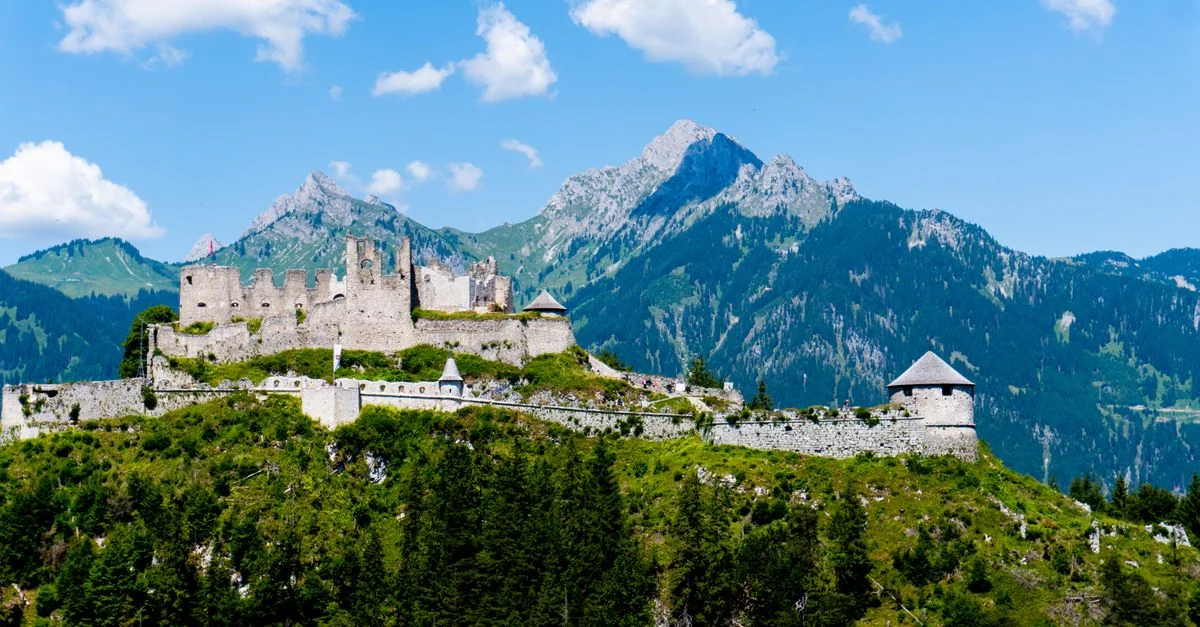
Navigating this terrain requires understanding how these tables operate relative to the ski seasons. Reservation lead time is the single most critical factor here; securing a table at the top-tier rooms often requires booking months in advance, particularly during peak winter weeks around the holidays and February school breaks. Walk-ins are essentially non-existent at the higher tiers, so your dining itinerary needs to mirror your ski pass planning.
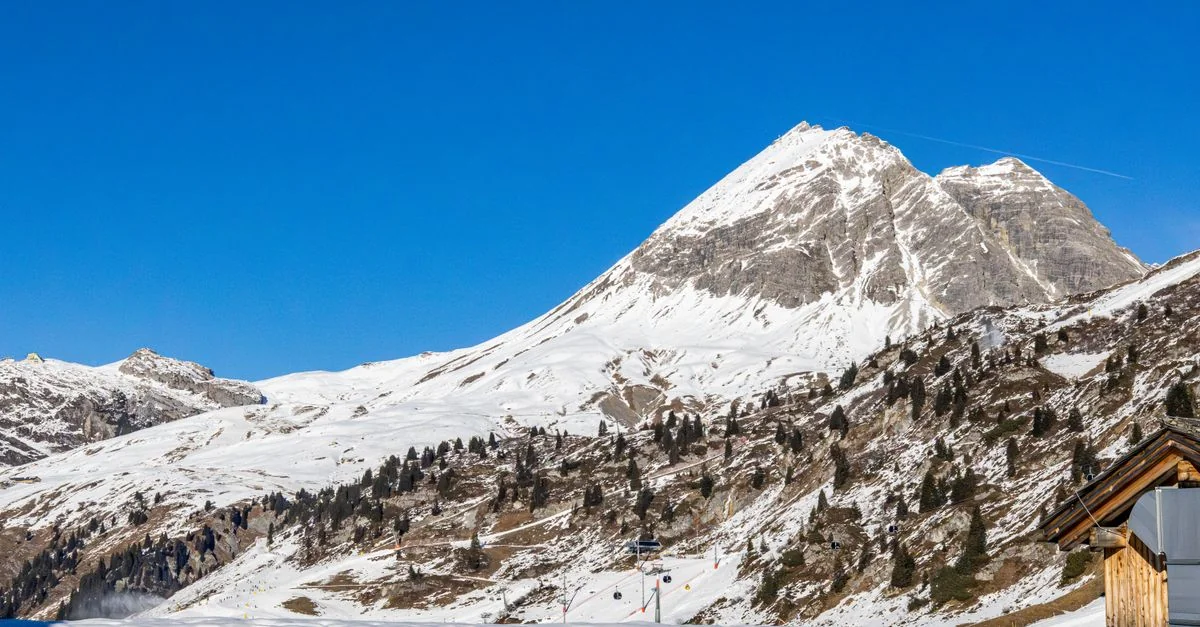
The physical layout of the area also shapes your evening. Because the village and its surrounding hamlets like Zug and Oberlech are connected by lifts, snowcats, and narrow mountain roads, you must factor in transit time between your chalet and your dinner reservation. A table in Zug or Oberlech means planning your return transport in advance, especially after the ski lifts close for the evening.
Fine Dining at Its Best: Multi-Star Restaurants#
The pinnacle of the local dining landscape rests with the two establishments holding two stars, each offering a distinct philosophy on modern gastronomy. Griggeler Stuba, set within the car-free enclave of Oberlech at the Burg Vital Resort, delivers an experience defined by its stylish wood-panelled interior and a rigorous focus on modern cuisine and international influences. Dining here feels remarkably intimate, anchored by the serenity of Oberlech where no cars disturb the mountain quiet.
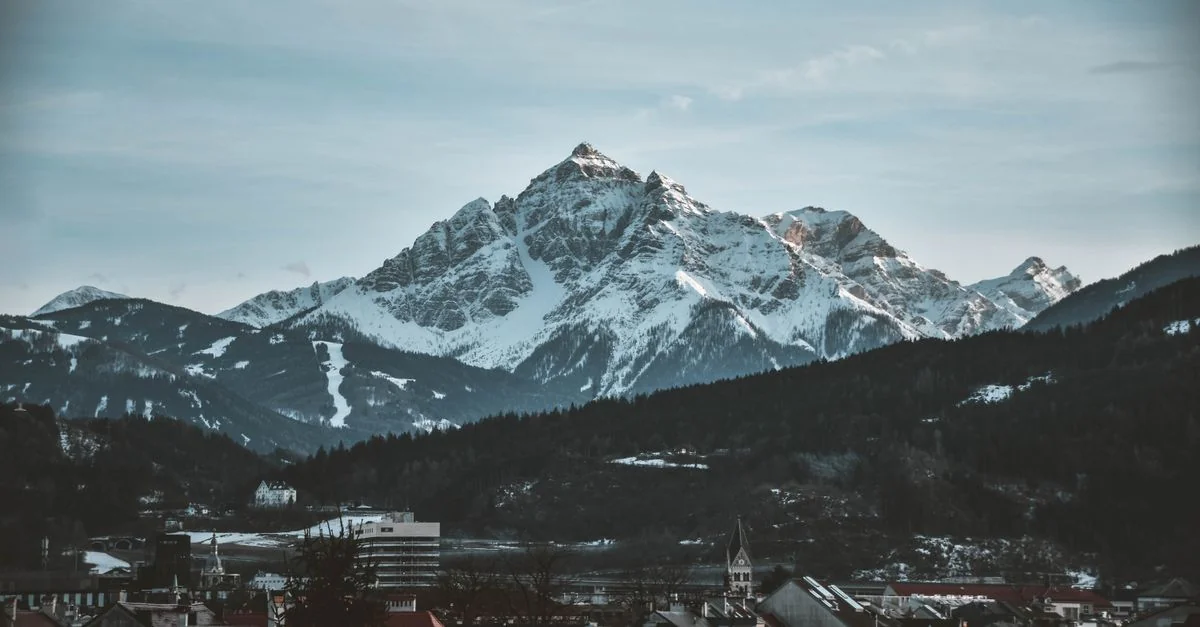
Down in the hamlet of Zug, Rote Wand Chef’s Table operates out of the exclusive Rote Wand Gourmet Hotel, housed in a former modest inn that once served as the village’s old schoolhouse. The atmosphere here centers on a high-interaction format where modern cuisine meets creative execution, allowing guests to watch the culinary team dismantle and rebuild regional ingredients with astonishing technique. Both of these two-star rooms command very expensive pricing exceeding €150, but the multi-course trajectories justify the cost through sheer obsessive detail.
Beyond the twin peaks of the two-star tier, the Michelin-selected rooms maintain an equally impressive standard. Fux brings a distinct shift in flavor profiles to the village with its fusion and Asian influences, priced in the very expensive tier over €150. For a more traditional route, Rote Wand Stuben offers traditional cuisine at a more approachable expensive range between €70 and €150, proving that you do not always need a modern deconstruction to satisfy an alpine appetite.
Another notable selection is Jägerstube & Walserstube, which pairs modern cuisine and international accents in a very expensive category over €150. Meanwhile, Lechtaler Stube provides a contemporary lens on dining in the expensive €70 to €150 bracket, and Severin*s rounds out the select tier with classic cuisine and regional cuisine in the very expensive tier over €150. Dress code reality across all of these fine establishments leans toward smart casual; while you can leave your ski gear behind, a jacket for men and elegant evening wear for women will ensure you fit right in among the international crowd.
Green Star: Sustainable Dining in Lech am Arlberg#
Sustainability in an alpine environment is not merely a modern buzzword; it is an absolute necessity for survival and longevity. The local culinary community understands that the surrounding pastures, forests, and local farms dictate the very boundaries of what can be placed on the plate. While the broader roster of fifteen establishments touches on various philosophies, the commitment to local sourcing is deeply ingrained in the regional identity.
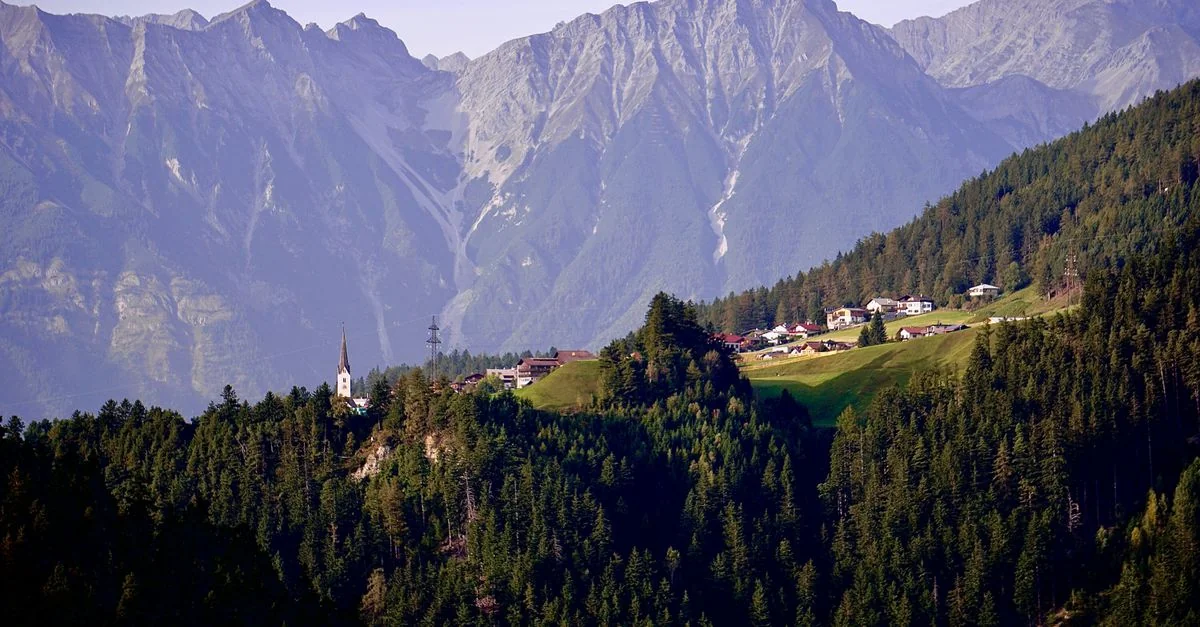
When dining at establishments holding the Green Star or those focusing heavily on regional and seasonal ingredients, you notice a distinct connection to the Arlberg landscape. Chefs work directly with local dairy farmers, regional hunters, and small-scale producers who coax harvests from a short, intense alpine summer. Lunch vs dinner value often favors midday seatings at select properties where you can experience the same rigorous ingredient sourcing and meticulous kitchen execution with slightly more relaxed pricing or shorter tasting formats, freeing up your evening for fireside relaxation.
The sustainable ethos also dictates how kitchens handle waste, energy, and seasonal preservation. Fermentation, pickling, and curing are standard practices used to stretch the short summer bounty through the long, freezing winter months. When you taste a dish featuring local herbs or mountain game, you are tasting a preserved moment of the Arlberg ecosystem, handled with enough technical restraint to let the raw ingredient speak for itself.
Cuisine Styles and What Lech am Arlberg Does Best#
The culinary identity here is defined by a fascinating tug-of-war between deep-rooted alpine tradition and outward-looking global modernity. Across the fifteen establishments, modern cuisine and contemporary styles lead the statistical pack with four representations each, closely matched by classic cuisine which also holds four spots. This creates a dining landscape where you can enjoy a radically deconstructed local potato dish one night and a time-honored classic preparation the next.
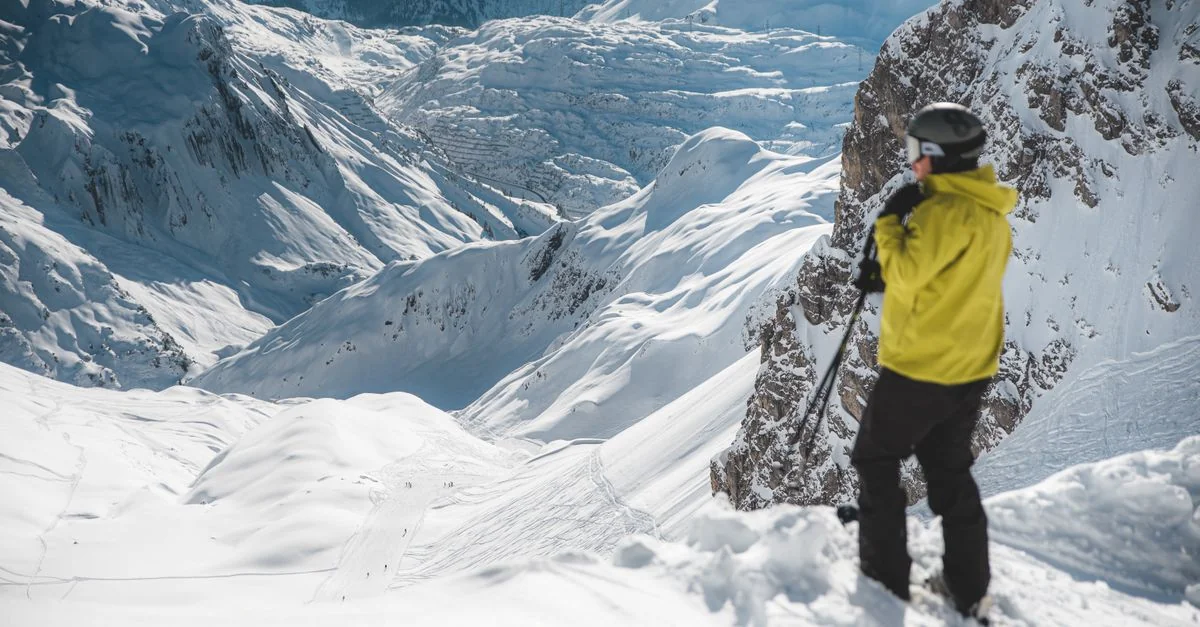
Regional cuisine and Austrian traditions anchor three to four spots depending on the seasonal rotation, ensuring that butter, cheese, and game from the immediate valleys never vanish from the menus. At the same time, international and seasonal influences keep the village connected to broader global palates. You will also find specialized niches represented, such as creative, fusion, and Asian influences at venues like Fux, proving that alpine diners are just as eager for complex spice profiles as they are for rich pan sauces.
The secret to what the local kitchens do best is their refusal to choose strictly between past and future. Which tasting menu to pick usually depends on your personal tolerance for culinary experimentation; if a restaurant offers both a classic regional progression and a modern avant-garde flight, the modern option often showcases the absolute peak of the chef’s technical range, while the classic option highlights the supreme quality of local dairy and proteins. Always ask your server which menu currently features the strongest local forages or regional game.
Price Guide: What to Budget for Michelin Dining#
Dining at this altitude requires a clear-eyed look at your travel budget, as the local dining scene is skewed heavily toward the upper end of the financial spectrum. Out of the fifteen Michelin-recognized establishments, a massive block of ten spots falls into the very expensive category requiring a spend of over €150 per person, while the remaining five sit comfortably in the expensive range between €70 and €150. There are no budget-friendly Michelin options here, reflecting the high operational costs of running elite kitchens in a remote mountain resort.
When budgeting for a multi-course dinner at Griggeler Stuba or Rote Wand Chef’s Table, expect the base menu to easily clear the €150 threshold, with wine pairings adding a substantial additional sum. If you choose to dine at spots like Rote Wand Stuben or Lechtaler Stube within the expensive €70 to €150 bracket, you will find slightly more breathing room for your wallet while still enjoying high-level execution. Reservation lead time must again be factored into your budgeting, as last-minute cancellations at high-end spots often carry strict penalty fees if your ski plans change unexpectedly.
Beverage programs across the village are similarly ambitious, featuring deep cellars that lean heavily on Austrian Grüner Veltliner and Blaufränkisch alongside rare international grand crus. If you want to manage your spending without compromising the meal, ask the sommelier for regional bottle recommendations that bypass the aggressively marked-up prestige labels. Local winemakers produce exceptional bottles that pair effortlessly with alpine proteins and rich sauces at a fraction of the cost of famous Bordeaux or Burgundy.
Booking Tips and What to Know Before You Go#
Securing your place at the most sought-after tables in Lech requires a methodical approach that starts months before you pack your skis. Because the total inventory of Michelin-recognized seats is limited across these fifteen establishments, popular winter weeks book out almost instantaneously when books open. Reservation lead time should be set at a minimum of two to three months out for the two-star properties, particularly if you are traveling during peak holiday periods or February weekends.
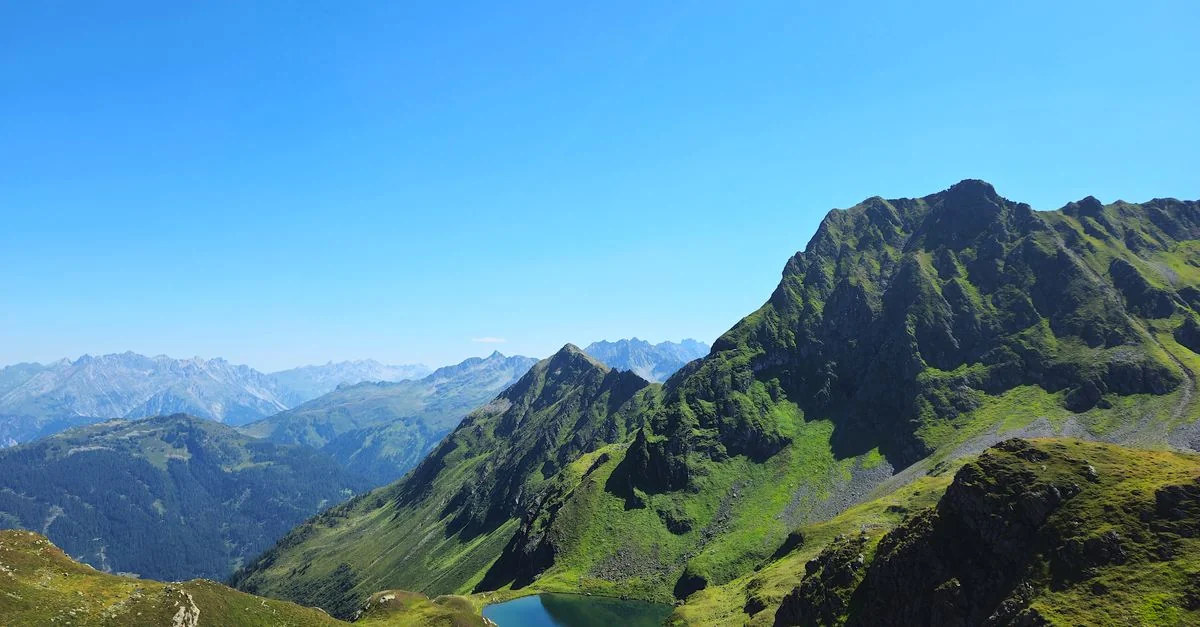
Transportation logistics within the village can also catch diners off guard if not planned properly. If your hotel is in Lech proper and your dinner reservation is at Rote Wand Chef’s Table in Zug, you need to arrange a taxi or use local shuttle services ahead of time, as walking along snowy mountain roads in formal evening shoes is entirely impractical. Dress code reality dictates that while nobody expects a tuxedo, athletic wear, ski boots, and heavy outerwear are firmly checked at the coat room in favor of sharp, elegant layers.
Finally, communicate any dietary restrictions at the exact moment of booking rather than mentioning them at the table. Because many of these kitchens rely on tightly choreographed, multi-course tasting menus where ingredients are pre-ordered and meticulously prepped, last-minute alterations disrupt the flow of the kitchen. Lunch vs dinner value can be your secret weapon here; if dinner slots are entirely booked out months in advance, check for midday availability at select establishments to experience the same culinary rigor under daylight.
Where to eat tonight:
For a luxury splurge, book Griggeler Stuba in Oberlech for a standout modern tasting menu. For a mid-range budget, secure a table at Rote Wand Stuben in Zug to enjoy exceptional traditional dishes. For a creative wildcard, head to Fux to experience Asian influences and fusion cooking.
📌 Disclaimer
Prices, schedules, tour details, flight routes, visa requirements, and all other information on this page are based on data at the time of writing. Fares, availability, and policies may change. Please verify current details on the official website before booking.
Top Tours & Activities
📌 More about Lech am Arlberg
📌 More about Lech am Arlberg