📌 Disclaimer
Prices, schedules, tour details, flight routes, visa requirements, and all other information on this page are based on data at the time of writing. Fares, availability, and policies may change. Please verify current details on the official website before booking.
The Dining Scene in Warsaw#
Warsaw ’s current standing in the guide includes three one-star restaurants, six Bib Gourmand selections, and thirteen restaurants in the selected category. The diversity here is striking, ranging from the high-concept, expensive tasting menus that dominate the upper echelons of the city’s food scene to the approachable, mid-range spots that define the Bib Gourmand tier. It is a city that balances its traditional Slavic roots with an increasing appetite for global influences, particularly in the realm of Asian-inflected modern cuisine and South American flavors.
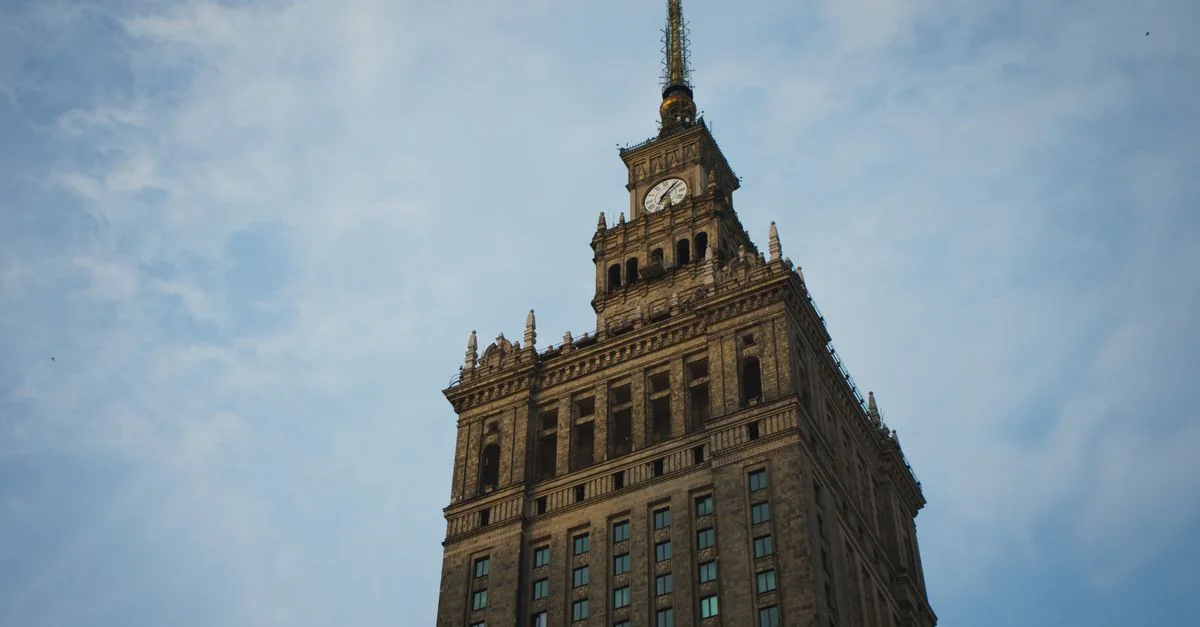
The geography of dining in Warsaw is equally compelling. You will find top-tier talent operating in century-old buildings on the eastern side of the Vistula River, as well as in sleek, contemporary spaces in the heart of the city. The sheer volume of modern cuisine—eight of the 22 recognized spots fall under this banner—indicates a local preference for innovation. Yet, the presence of five traditional spots ensures that the heritage of the region remains firmly on the plate.
Practical tip: For the Michelin-selected and one-star venues, aim to secure your table at least four to six weeks in advance, particularly if you are visiting during the weekend or the peak summer season.
One-Star Restaurants Worth a Detour#
NUTA is perhaps the most fascinating example of the city’s current direction. Chef-owner Andrea Camastra, originally from Puglia, has successfully integrated his Italian roots with a deep-seated passion for Asian cuisine, all while operating within the context of Polish ingredients. It is a creative, high-end experience that commands a price point over €150, but the complexity of the flavor profiles justifies the investment for those who appreciate technical rigor.
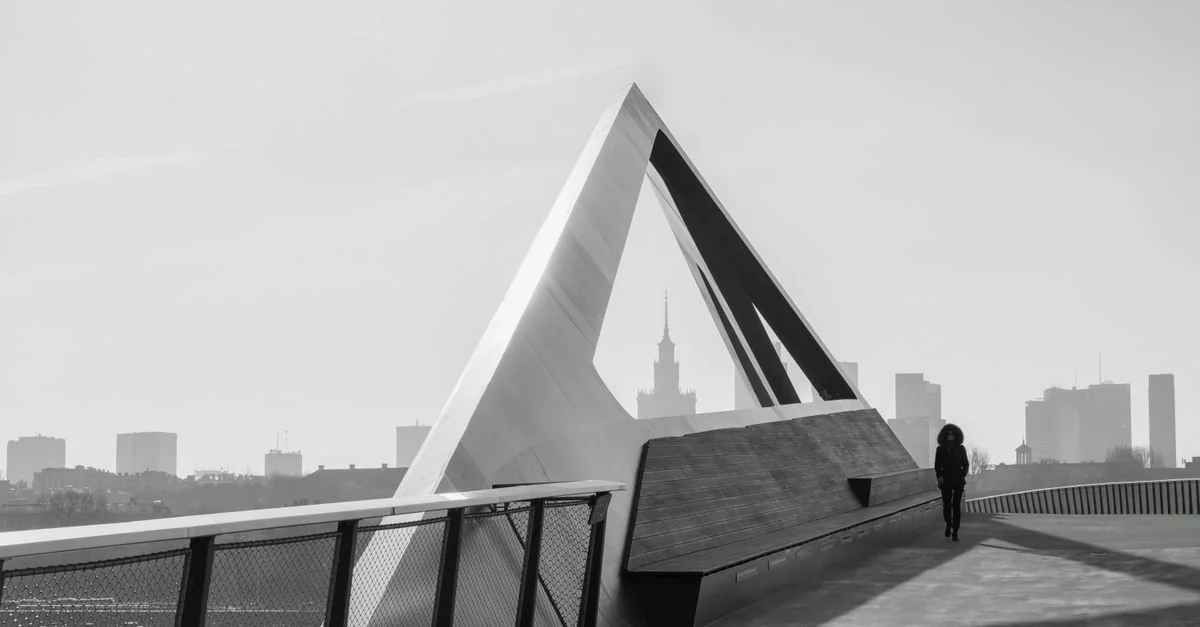
Then there is hub.praga, which offers a starkly different atmosphere. Located on the eastern side of the Vistula, the restaurant occupies a century-old building, creating a contrast between the historical architecture and the surprisingly modern, intimate interior. It is a destination that feels removed from the typical tourist path, providing a sense of discovery that is increasingly rare in major European capitals.
Finally, Rozbrat 20 manages a difficult feat: it operates as a destination restaurant while maintaining a distinct neighborhood sensibility. It is the kind of place where the service is polished but not stiff, and the modern cuisine is consistently executed at a high level. Like NUTA and hub.praga, it sits in the top price tier, but it feels more like a local institution than a formal, sterile dining room.
Practical tip: While these restaurants are high-end, the dress code in Warsaw remains “smart casual.” You will rarely need a suit, but avoid overly athletic wear to ensure you feel comfortable among the local business and creative crowds.
Bib Gourmand: Great Food Without the Splurge#
The Bib Gourmand category in Warsaw is where the city truly shines for the value-conscious diner. Kieliszki na Próżnej is a personal favorite; the wine bar atmosphere is welcoming, and the focus on high-quality, modern cuisine at a moderate price point—between €30 and €70—makes it an ideal spot for a mid-week dinner. The wine rack installation alone is worth the visit, but the food keeps you there.
Koneser Grill is another standout, set within the Centrum Praskie Koneser, a former vodka distillery. The setting is industrial and grand, yet the food is focused on the primal appeal of meats and grills. It is a robust, satisfying experience that proves you do not need to spend triple digits to have a memorable meal in this city. Similarly, Ceviche Bar brings a bright, airy energy to the scene, focusing on South American flavors that provide a refreshing departure from the heavier, traditional dishes often found in the region.
Wyraj rounds out the list with its focus on traditional cuisine. The name, derived from ancient Slavic mythology, hints at a deeper connection to Polish history. It is a moderate-priced option that feels grounded and authentic, serving as a reminder that the city’s culinary identity is still deeply rooted in its own folklore and history.
Practical tip: If you are looking to maximize value, prioritize lunch at these Bib Gourmand spots. Many offer fixed-price menus that provide a significant discount compared to their evening à la carte offerings.
Cuisine Styles and What Warsaw Does Best#
Modern cuisine is clearly the dominant force in Warsaw, with eight restaurants featuring this style. It is a broad category, but in practice, it usually means a focus on seasonal Polish ingredients prepared with contemporary techniques. This is best exemplified by the Michelin-selected Bez Gwiazdek, which focuses on modern interpretations of local staples.
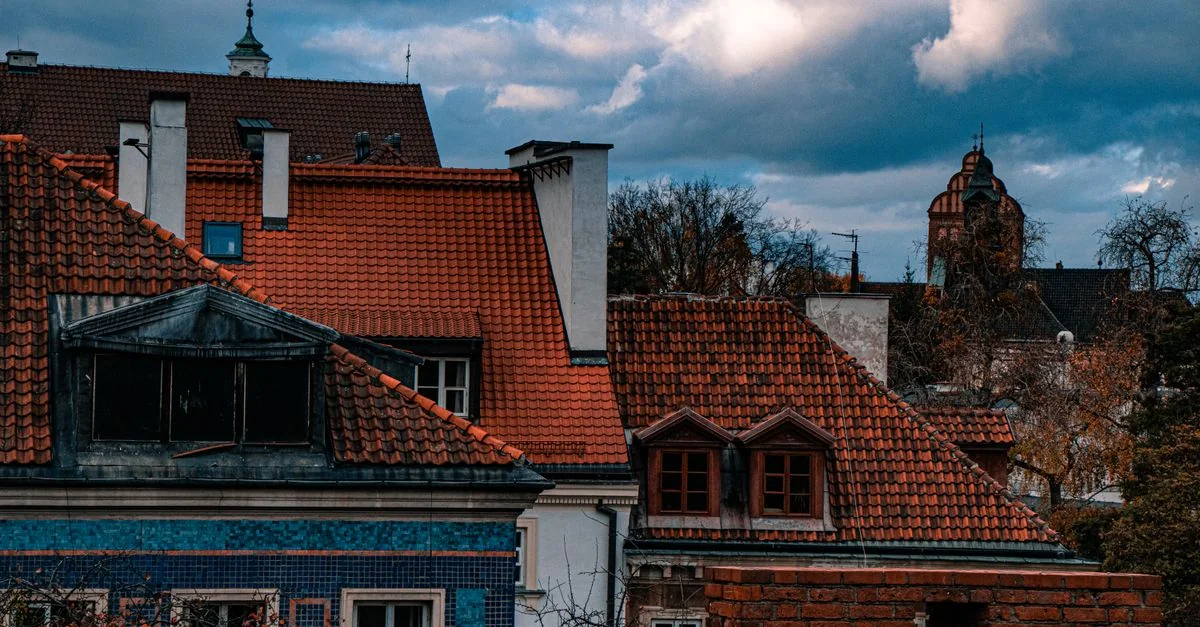
However, the city also excels in its niche offerings. The presence of two Italian restaurants, such as Le Braci, shows a high level of technical competence in Mediterranean-style cooking. The clubby, intimate environment at Le Braci, with its zinc-topped bar and dark green accents, offers a specific type of social dining that is very popular in Warsaw.
We also see an interesting trend toward innovative and Asian-influenced cooking. Nolita, for instance, blends modern cuisine with Asian influences, resulting in a high-end, expensive experience that pushes the boundaries of what is expected in a traditional Polish setting. The city’s ability to absorb these foreign influences without losing its own character is what makes the current food scene so successful.
Practical tip: When selecting a tasting menu, always ask the server if there is a “chef’s choice” that incorporates the day’s market finds. This is often the best way to experience the kitchen’s current creative focus.
Price Guide: What to Budget for Michelin Dining#
Budgeting for a trip to Warsaw requires an understanding of the three distinct tiers recognized by the guide. The “Very Expensive” category (over €150) includes the three one-star restaurants as well as spots like Nolita and Epoka. These are significant investments, usually involving long-form tasting menus and extensive wine pairings. If you plan to dine at these establishments, expect to set aside a substantial portion of your travel budget.

The “Expensive” category (€70-€150) includes venues like Bez Gwiazdek and Dyletanci. These restaurants offer a middle ground, often providing a more curated experience than the Bib Gourmand spots without the extreme price tag of the one-star venues. They are excellent choices for a special occasion that doesn’t necessarily require a four-hour commitment.
Finally, the “Moderate” category (€30-€70) is the backbone of the city’s dining culture. With 12 restaurants in this price range, it is very easy to eat well in Warsaw without exceeding your budget. Whether you choose the Italian fare at La Luce or the Mediterranean focus at kontakt, you will find that the quality-to-price ratio is exceptionally high compared to other European capitals.
Practical tip: Check the restaurant’s website for “tasting menu vs. à la carte” availability. Some of the more expensive venues only offer a set menu, which can lead to unexpected costs if you aren’t prepared for the full price of the experience.
Booking Tips and What to Know Before You Go#
Navigating reservations in Warsaw is relatively straightforward, but it requires planning. For the most popular one-star establishments, I recommend booking as soon as your travel dates are confirmed. Many of these restaurants are small, and their capacity is limited, meaning they fill up quickly even on weeknights.
Regarding dress codes, Warsaw is a city that appreciates a polished appearance, even in casual settings. While you will not be turned away for wearing jeans, opting for “smart casual” is the safest bet for any Michelin-recognized venue. It aligns with the local expectation of dining as a social event rather than just a quick meal.
Lastly, consider the timing of your visit. Warsaw’s dining scene is very active during the work week, as the city is a major business hub. If you want a more relaxed, intimate experience, aim for a Tuesday or Wednesday evening. If you want to see the city’s dining scene at its most energetic, Thursday and Friday nights are the peak times when the atmosphere in places like Kieliszki na Próżnej is at its best.
Practical tip: Always confirm your reservation 24 hours in advance. Many of these restaurants have strict cancellation policies, and a quick phone call or email can save you from any potential fees or misunderstandings.
Where to eat tonight:
- For a high-end splurge: NUTA. The blend of Italian technique and Asian influence is unparalleled in the city.
- For a reliable, modern meal: Rozbrat 20. It captures the essence of a sophisticated neighborhood restaurant perfectly.
- For a casual, high-value night: Kieliszki na Próżnej. The wine list and the atmosphere make it the best choice for a relaxed but high-quality dinner.
📌 Disclaimer
Prices, schedules, tour details, flight routes, visa requirements, and all other information on this page are based on data at the time of writing. Fares, availability, and policies may change. Please verify current details on the official website before booking.
Top Tours & Activities
1 Star / Creative
1 Star / Modern Cuisine
1 Star / Modern Cuisine
Bib Gourmand / Traditional Cuisine
Bib Gourmand / Meats and Grills
📌 More about Warsaw