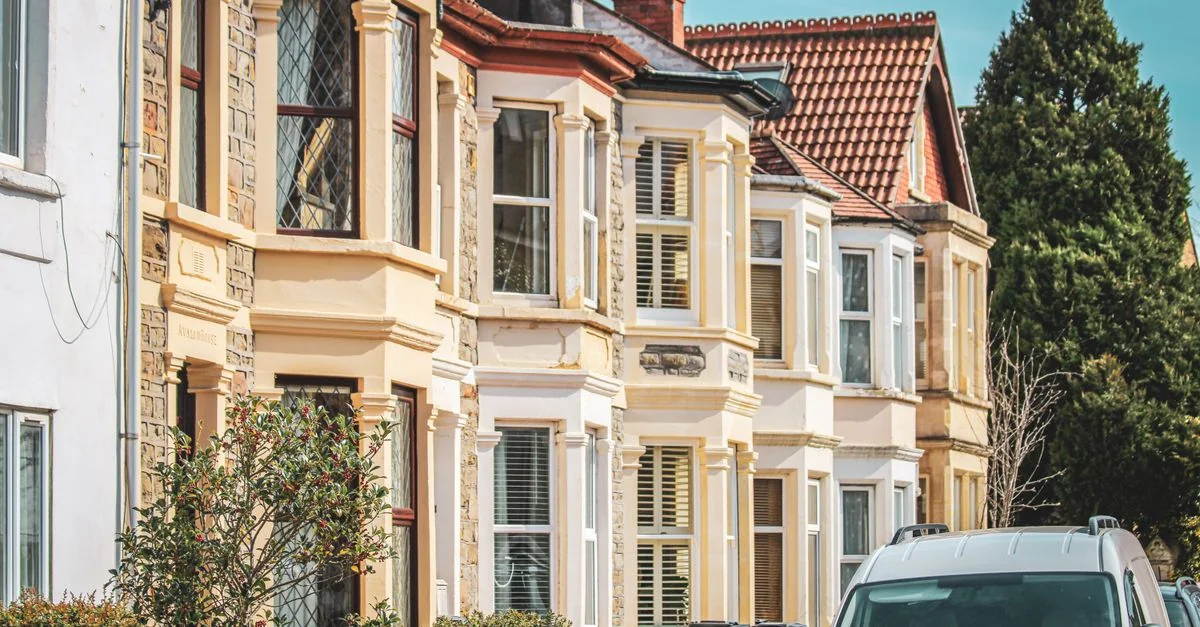
When I sit down to examine a city’s dining guide, I look for the kind of authenticity that cannot be faked, and City of Bristol delivers this in spades with its sixteen Michelin-recognized establishments. From unassuming neighbourhood spots housed inside reclaimed metal boxes to converted insurance buildings, this West Country destination treats eating as an extension of its creative, independent spirit. If you want to understand how a city can balance relaxed local warmth with rigorous culinary execution, you need only pull up a chair here. The Dining Scene in City of Bristol # The culinary landscape here feels refreshingly unpretentious. Instead of echoing the stiff formality found in some European capitals, the dining rooms across City of Bristol often feel like extensions of a stylish friend’s home. You will find chefs focusing heavily on provenance, working closely with regional growers, and serving dishes that prioritize honest flavours over theatrical gimmicks. The sheer concentration of talent across different neighborhoods means you can easily transition from a casual lunch to a deeply thoughtful tasting menu without ever feeling like you have stepped into a corporate dining machine.
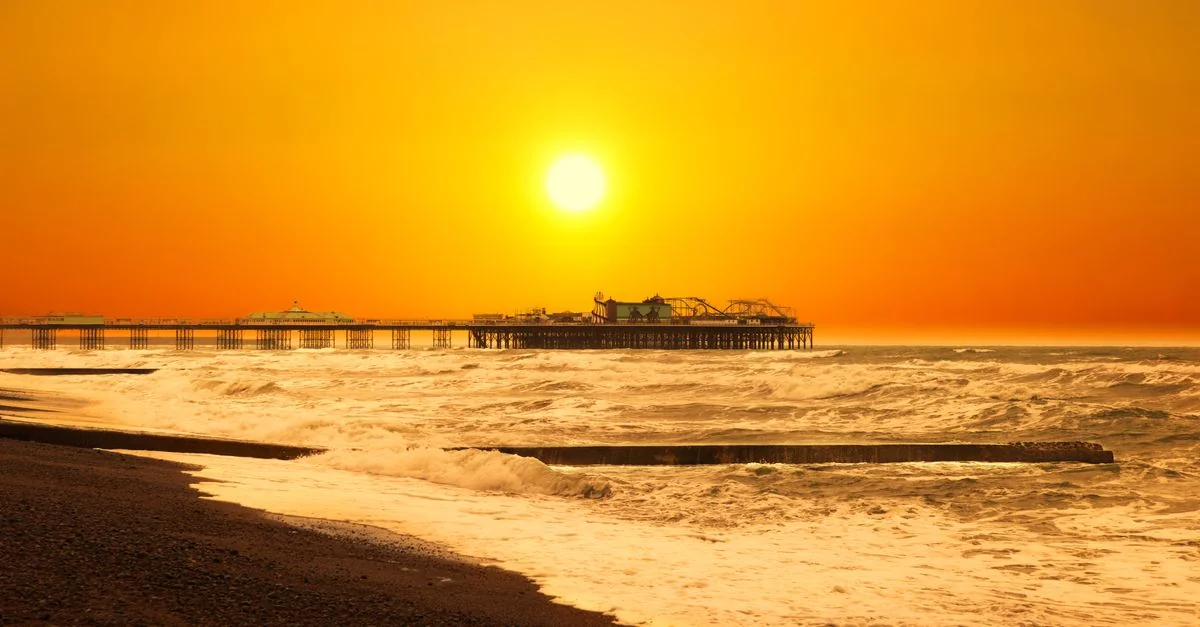
Salt spray hits the promenade while plates of fresh seafood and modern British cooking emerge from some of the most dynamic kitchens on the south coast. The local dining landscape relies heavily on coastal catches, seasonal produce, and independent spots tucked away in historic lanes. Navigating this scene requires knowing which spots deliver the best value and how far in advance to secure a table. The Dining Scene in Brighton and Hove # When I first rolled into Brighton and Hove, I immediately noticed how the local food culture mirrors the town’s independent spirit. You will find a total of 16 Michelin-recognized establishments here, ranging from casual neighborhood plates to ambitious tasting menus. The culinary identity leans heavily into modern techniques paired with the bounty of the English Channel and surrounding countryside.
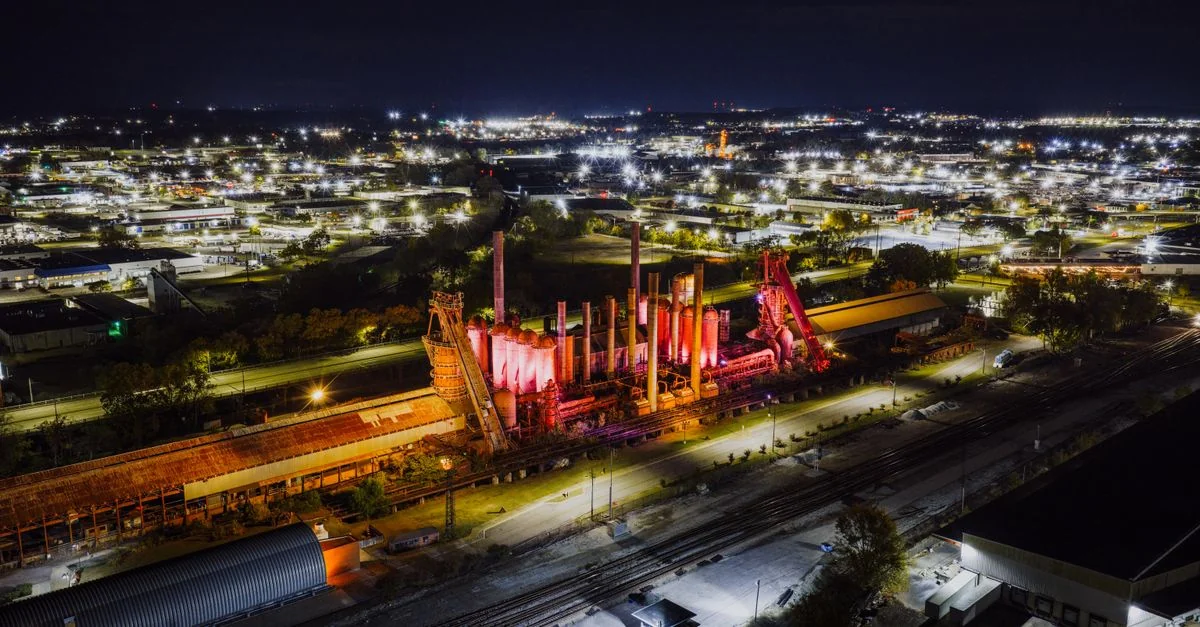
The scent of wood smoke drifting from the ovens at OvenBird is perhaps the most honest introduction to the current state of dining in Birmingham. It is a city that balances the polished, high-concept precision of modern technique with a grounded, unpretentious appreciation for quality ingredients. The Dining Scene in Birmingham # Birmingham has quietly cultivated a reputation that punches well above its weight. With 27 restaurants recognized by the Michelin guide, the city offers a range that spans from the dark, rock-and-roll energy of The Wilderness to the sun-drenched, straightforward Italian plates at Tropea. It is not a city that relies on tired tropes; instead, it feels like a place where chefs are given the freedom to experiment.
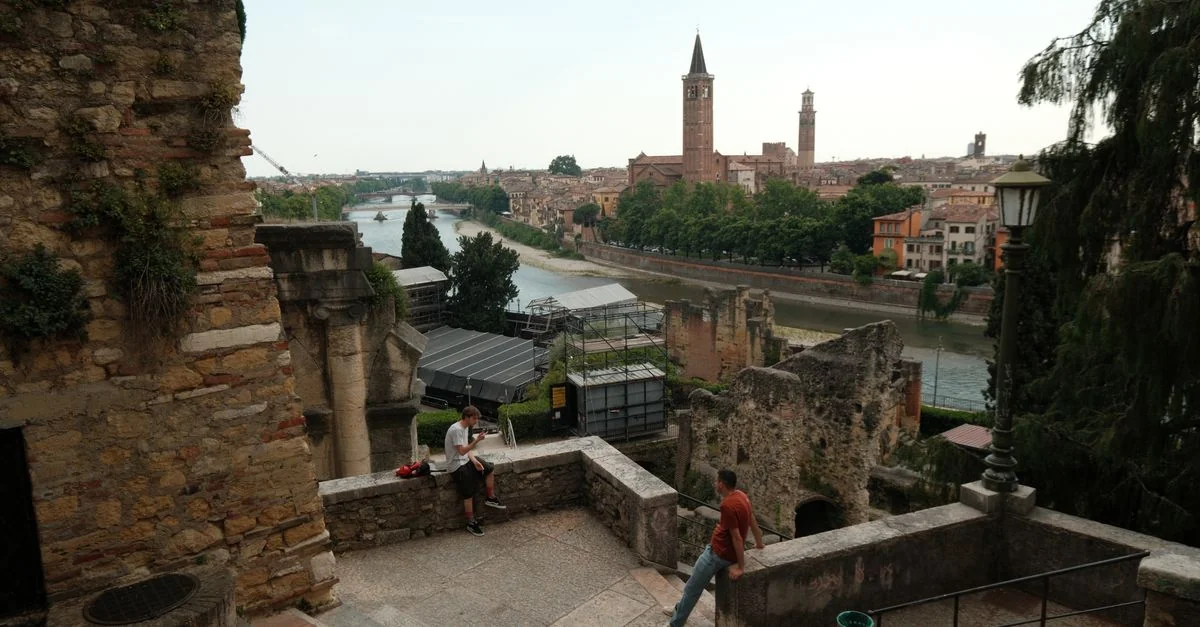
The scent of woodsmoke and aged balsamic vinegar seems to cling to the stone walls of Verona’s historic center, a city where the weight of history is matched only by the precision of its kitchens. Navigating the seventeen establishments recognized by the Michelin guide here requires a shift in perspective, moving away from the tourist-heavy piazzas toward the quiet, vaulted rooms where the true work of Italian contemporary cooking happens. The Dining Scene in Verona # Verona’s current landscape is defined by a deep respect for the architectural legacy of the Veneto region. You are rarely just eating in a dining room; you are eating in a fifteenth-century palazzo or a converted historic space that demands a certain level of decorum. The city balances its reputation for traditional regional plates with a sharp, modern edge, as evidenced by the five restaurants focusing on Italian contemporary cuisine and four dedicated to modern techniques.

The smoky scent of grilled red mullet skin hangs heavy in the air over Calle Orfila, signaling that another evening of meticulous dining is underway in Andalusia’s capital. I have spent the last three weeks navigating the dining rooms of this sun-drenched city, tracking down everything from simple fish counters to high-concept tasting menus. Seville operates on its own rhythm, where dinner rarely starts before ten at night, and the local approach to fine dining balances profound historical respect with sharp contemporary technique. The Dining Scene in Seville # Seville is home to 17 Michelin-recognized establishments, creating a concentrated ecosystem of remarkable cooking that draws heavily on both the Mediterranean and the nearby Atlantic. The city’s food culture moves away from stuffy formality and leans heavily toward lively neighborhood spots and sleek downtown counters. Walking from the historic center across the river to Triana reveals how deeply ingrained quality ingredients are in local daily life, even when elevated to fine dining standards.
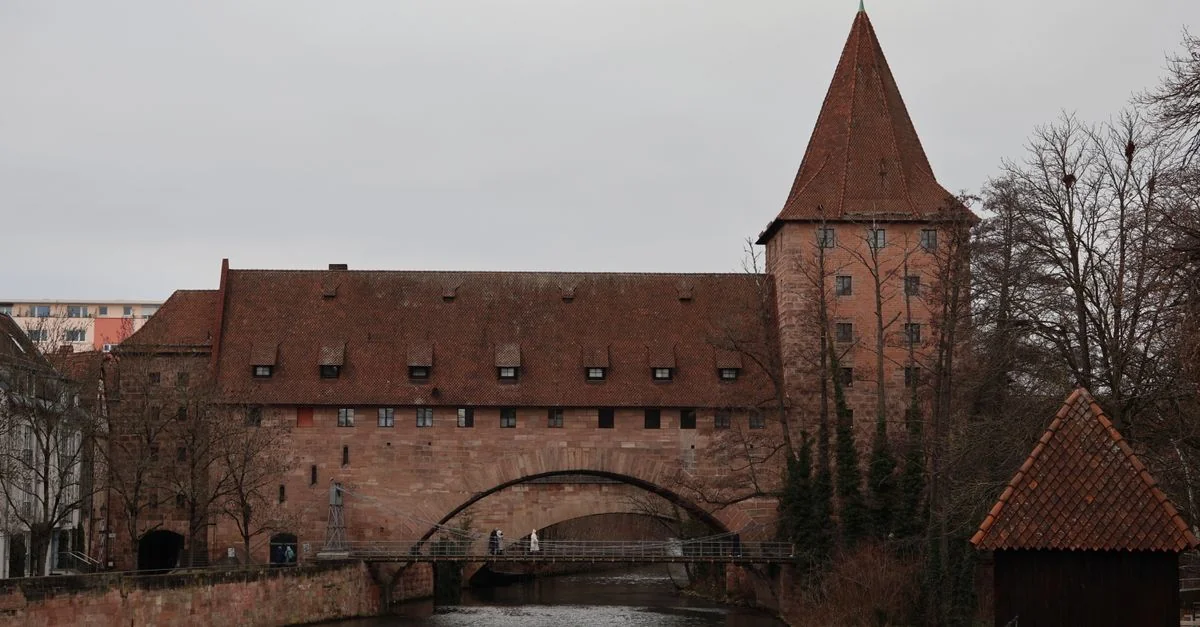
Ringing the doorbell of Essigbrätlein in the historic old town immediately sets a tone that is far removed from the city’s standard tourist paths. As a diner who tracks fine dining across Europe, I find Nuremberg’s high-end food culture particularly fascinating because it manages to pack seventeen Michelin-recognized establishments into a surprisingly compact footprint. The Dining Scene in Nuremberg # When I first started researching this Franconian city, I expected traditional sausages and heavy roasts. Instead, I discovered a surprisingly progressive landscape where historic old town buildings house ultra-modern kitchens, and trendy neighborhoods host experimental tasting formats. The local scene balances centuries of history with avant-garde technique, making it a compelling destination for dedicated eaters.
Perched in northern France near the Belgian border, Lille has quietly evolved into a serious dining destination that demands the attention of serious eaters. With seventeen Michelin-recognized addresses spread across the city, including four one-star establishments and thirteen selected venues, navigating this northern hub requires a calculated approach. Let’s pull back the curtain on how to eat exceptionally well here without falling into common tourist traps. The Dining Scene in Lille # Lille’s food landscape reflects its geographic position, blending French technique with hearty northern influences and international modernism. The city’s 17 Michelin-recognized tables range from approachable bistros to ultra-contemporary design spaces. You will find fifteen spots focusing on Modern Cuisine and three centering on Creative plates, often overlapping in their innovative approaches to local produce.
The salt-laced air of the Ligurian Sea hits you the moment you step off the train, carrying the unmistakable aroma of fresh basil, roasted pine nuts, and frying seafood. As a traveler who tracks Michelin stars across the globe, I find that Genoa offers a refreshingly unpretentious approach to fine dining compared to Milan or Rome. With seventeen total recognized dining spots spread across the city—including two 1-Star locations, one Bib Gourmand, and fourteen selected establishments—this historic port city rewards diners willing to look past the maze of alleyways. The Dining Scene in Genoa # Genoa’s dining rooms stretch from the busy industrial edges of the harbor up into the quiet, elegant streets near Brignole station. Unlike cities where dining rooms are heavily formal or strictly traditional, the local establishments here lean heavily into their maritime location. The culinary identity of this port city is forged by centuries of trade, resulting in menus that balance deep-rooted regional habits with contemporary techniques.
Sinking my fork into a meticulously rolled tortellino floating in a clear capon broth at an off-the-beaten-path trattoria in Bologna immediately resets my expectations for Italian comfort food. This city is not about flashy dining rooms or trends; it is a serious eating town where ancient carbohydrate traditions meet precise modern techniques. When you sit down in the capital of Emilia-Romagna, you are participating in a regional obsession with butter, pork, pasta, and heritage that dates back centuries. Across the local dining circuit, inspectors recognize 17 establishments spanning one star, four Bib Gourmands, and twelve selected addresses. Whether you want to sit under a historic theater ceiling or track down hyper-local country cooking near a busy produce market, this city delivers deep flavor profiles without pretense. I have spent years tracking these kitchens, mapping out where to spend your euros and how to score a table without getting shut out.
The scent of roasted meats and fresh mountain herbs lingers in the air as you navigate the narrow streets of Salzburg. While the city is often celebrated for its musical heritage, my focus remains firmly on the plates served within its 18 Michelin-recognized establishments. The Dining Scene in Salzburg # Salzburg possesses a distinct character that bridges the gap between Alpine tradition and modern precision. With 18 restaurants recognized by the guide, the city offers a range that spans from historic, wood-paneled inns serving regional classics to glass-encased dining rooms that push the boundaries of creative technique. The density of high-end options here is remarkable for a city of this size, ensuring that whether you are seeking a quiet meal in the countryside or a high-concept dinner in an architectural landmark, the standard remains consistently high.