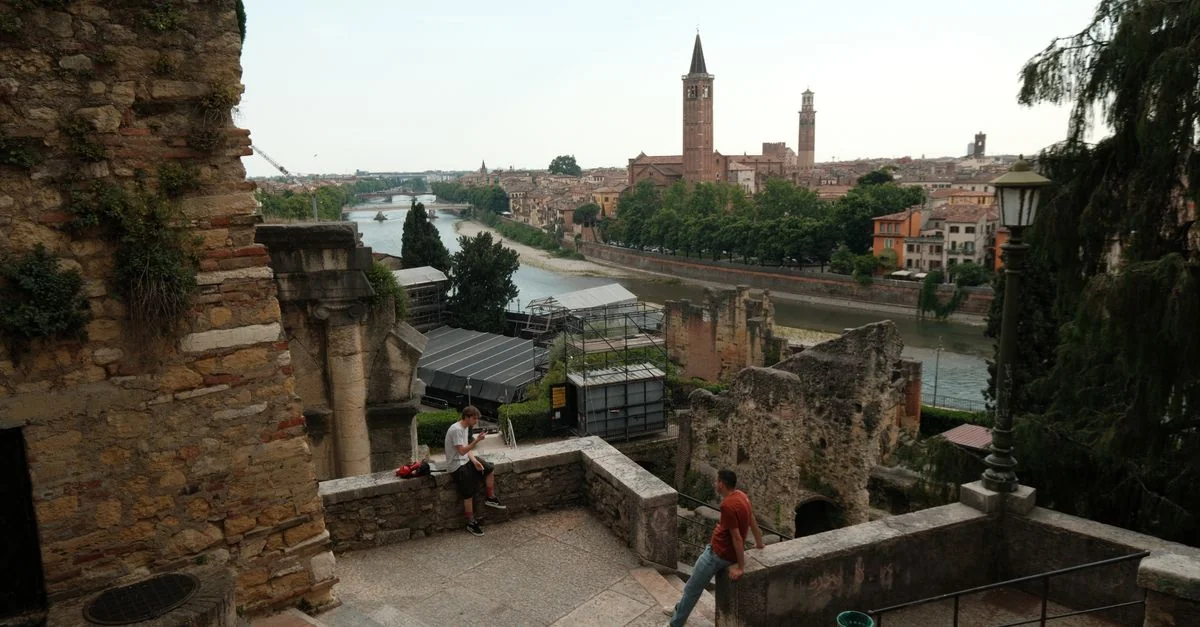
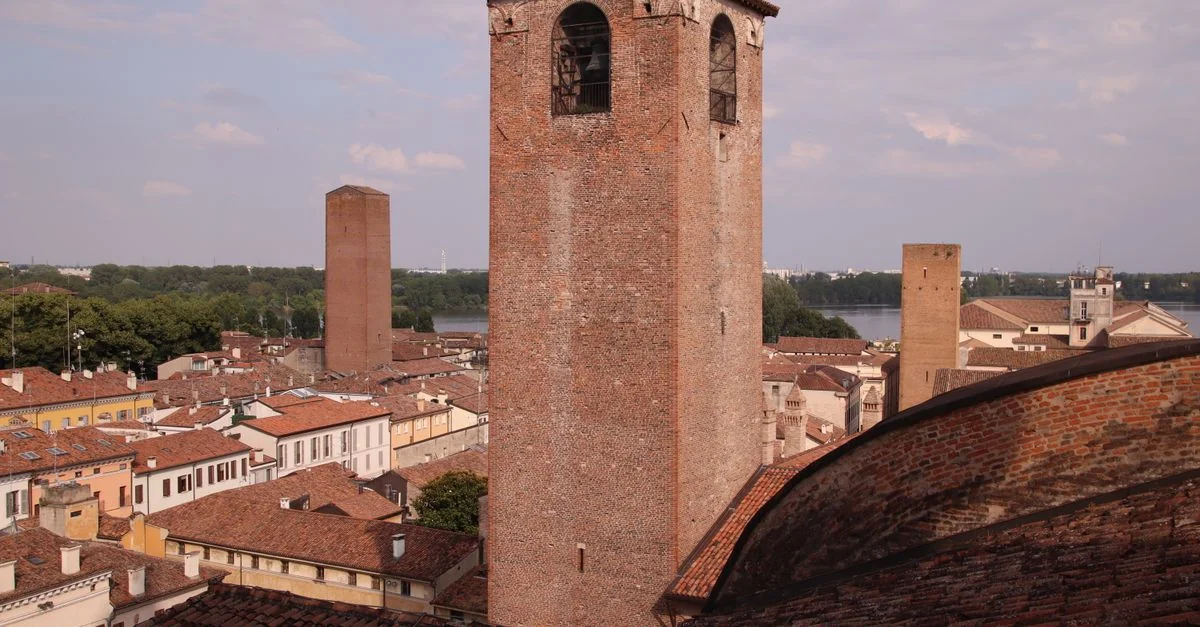
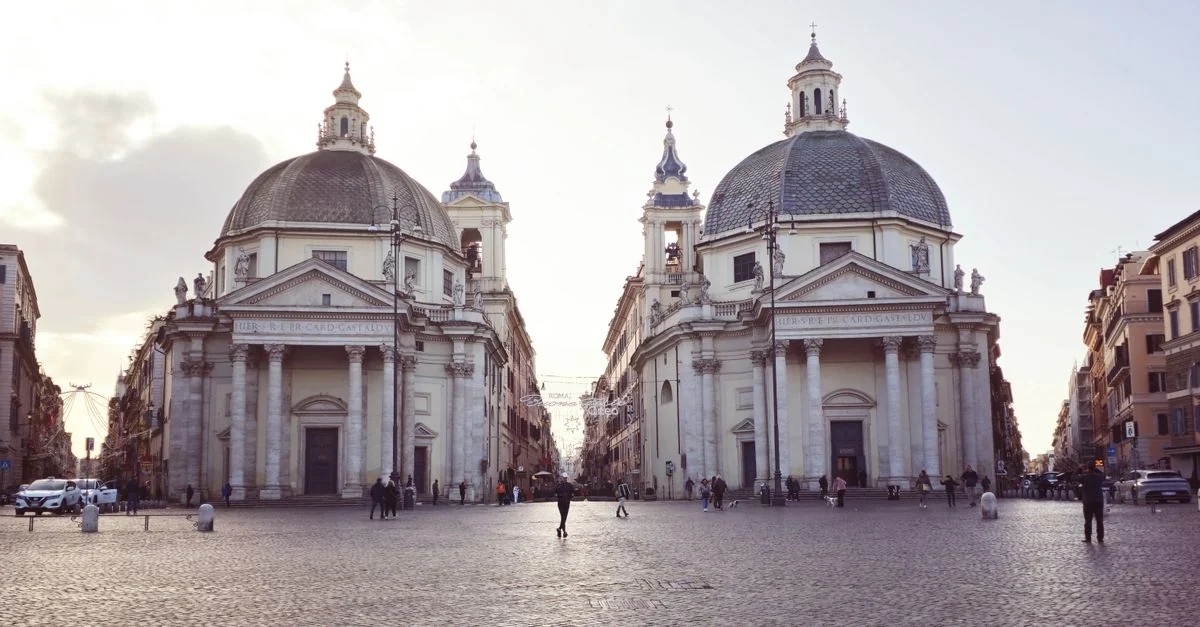
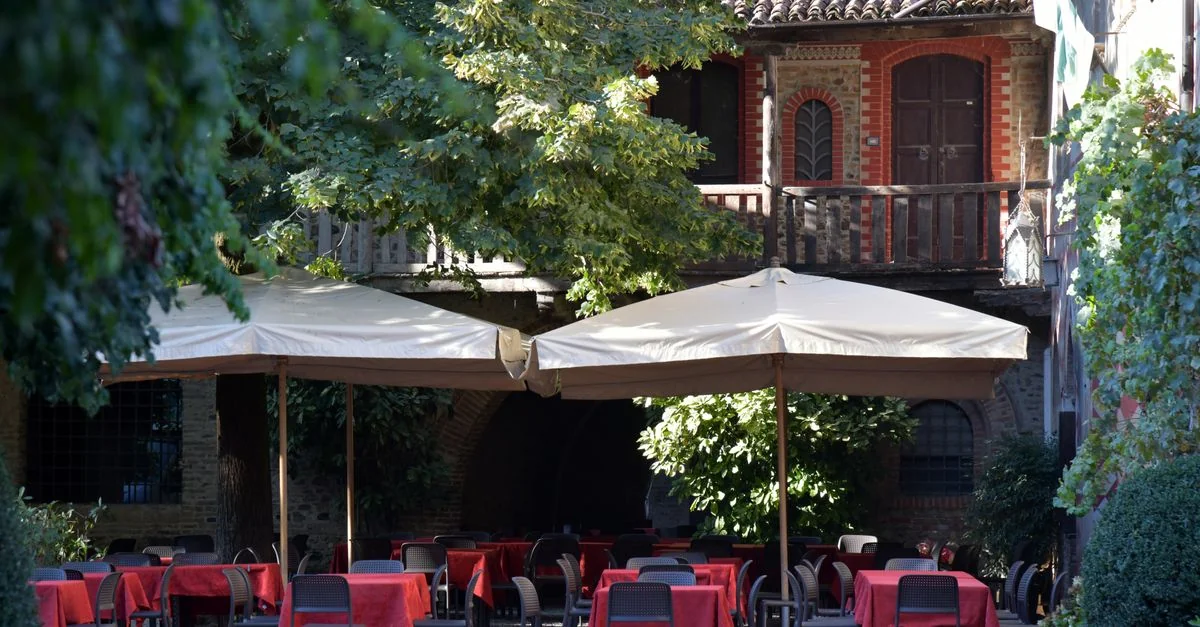
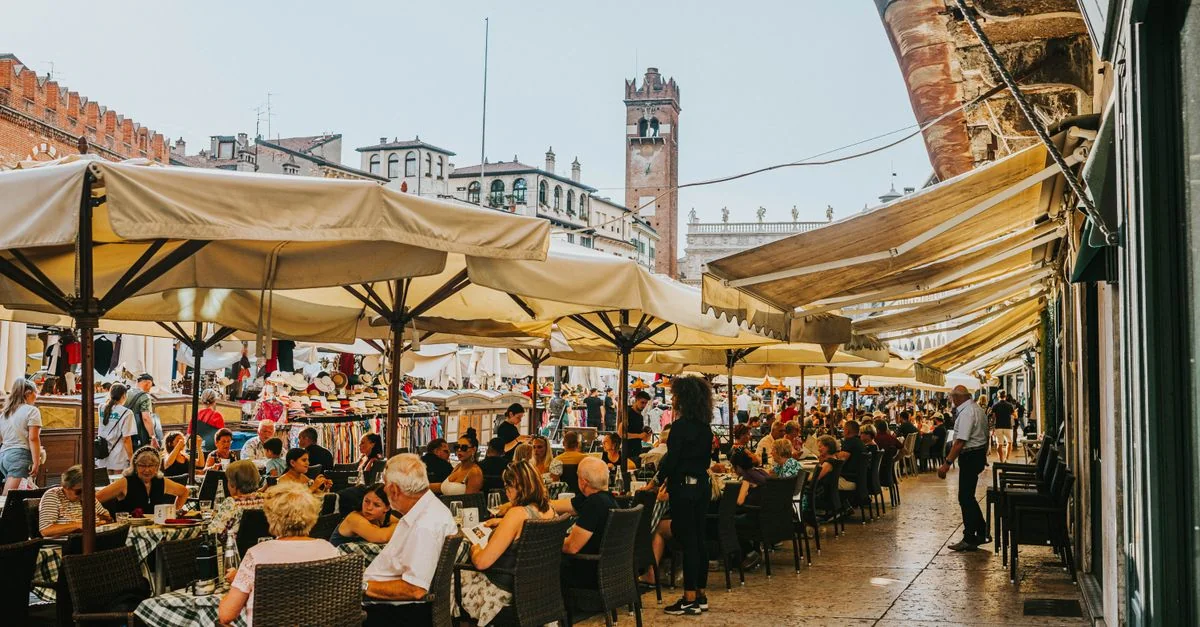
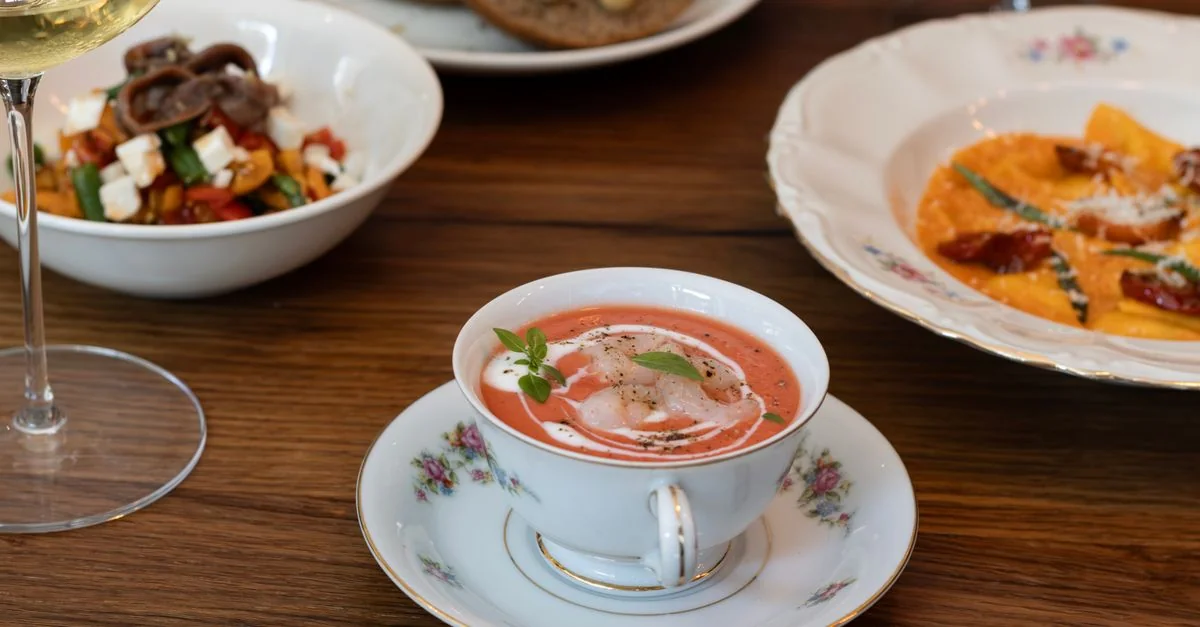
The scent of woodsmoke and aged balsamic vinegar seems to cling to the stone walls of Verona ’s historic center, a city where the weight of history is matched only by the precision of its kitchens. Navigating the seventeen establishments recognized by the Michelin guide here requires a shift in perspective, moving away from the tourist-heavy piazzas toward the quiet, vaulted rooms where the true work of Italian contemporary cooking happens. The Dining Scene in Verona # Verona ’s current landscape is defined by a deep respect for the architectural legacy of the Veneto region. You are rarely just eating in a dining room; you are eating in a fifteenth-century palazzo or a converted historic space that demands a certain level of decorum. The city balances its reputation for traditional regional plates with a sharp, modern edge, as evidenced by the five restaurants focusing on Italian contemporary cuisine and four dedicated to modern techniques.
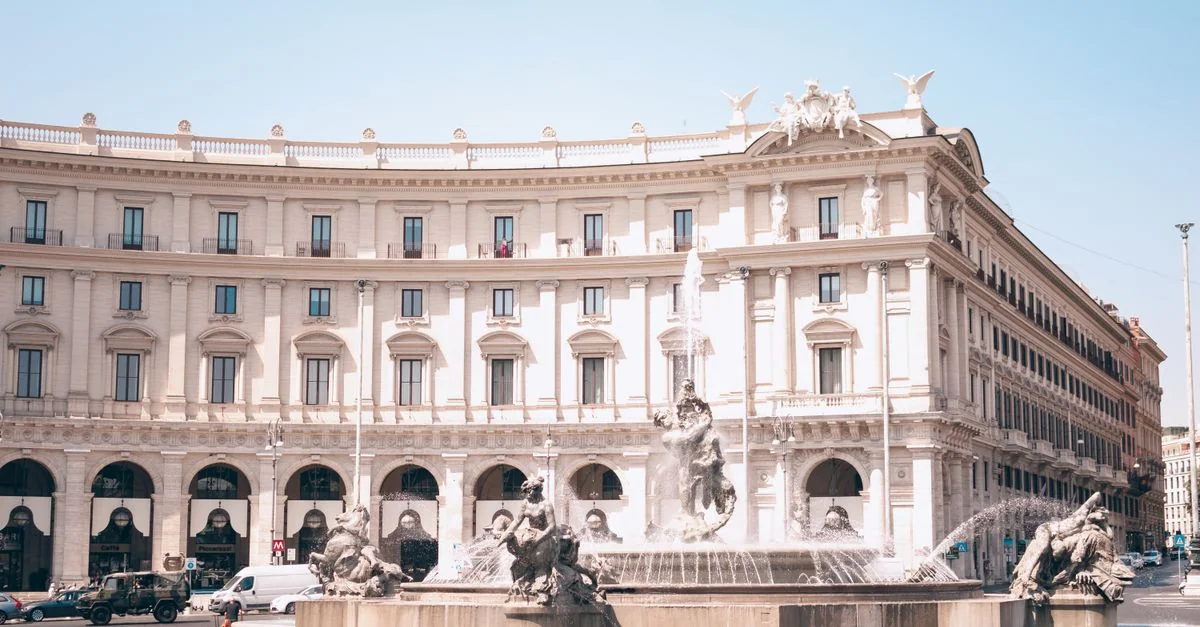
The salt-laced air of the Ligurian Sea hits you the moment you step off the train, carrying the unmistakable aroma of fresh basil, roasted pine nuts, and frying seafood. As a traveler who tracks Michelin stars across the globe, I find that Genoa offers a refreshingly unpretentious approach to fine dining compared to Milan or Rome . With seventeen total recognized dining spots spread across the city—including two 1-Star locations, one Bib Gourmand, and fourteen selected establishments—this historic port city rewards diners willing to look past the maze of alleyways. The Dining Scene in Genoa # Genoa ’s dining rooms stretch from the busy industrial edges of the harbor up into the quiet, elegant streets near Brignole station. Unlike cities where dining rooms are heavily formal or strictly traditional, the local establishments here lean heavily into their maritime location. The culinary identity of this port city is forged by centuries of trade, resulting in menus that balance deep-rooted regional habits with contemporary techniques.
Sinking my fork into a meticulously rolled tortellino floating in a clear capon broth at an off-the-beaten-path trattoria in Bologna immediately resets my expectations for Italian comfort food. This city is not about flashy dining rooms or trends; it is a serious eating town where ancient carbohydrate traditions meet precise modern techniques. When you sit down in the capital of Emilia-Romagna, you are participating in a regional obsession with butter, pork, pasta, and heritage that dates back centuries. Across the local dining circuit, inspectors recognize 17 establishments spanning one star, four Bib Gourmands, and twelve selected addresses. Whether you want to sit under a historic theater ceiling or track down hyper-local country cooking near a busy produce market, this city delivers deep flavor profiles without pretense. I have spent years tracking these kitchens, mapping out where to spend your euros and how to score a table without getting shut out.
When I sit down at a table in TO, my palate anticipates the rich, earthy flavors of Piedmontese tradition balanced against modern Italian technique. With 30 Michelin-recognized establishments across the city—including 8 one-star spots, 7 Bib Gourmand values, and 15 selected tables—this northern Italian destination offers a remarkably diverse dining landscape. Here is how I map out my meals when I visit TO to ensure every lunch and dinner hits the mark. The Dining Scene in TO # TO holds a unique position in the European dining landscape, heavily shaped by its royal history, industrial roots, and proximity to agricultural abundance. The city boasts 30 Michelin-recognized venues, spread across price points from budget-friendly osterias to elite tasting rooms exceeding €150. When walking the historic streets, you notice how the local dining room culture shifts effortlessly from casual, vintage-styled neighborhood canteens to striking modern designs integrated into the urban architecture.
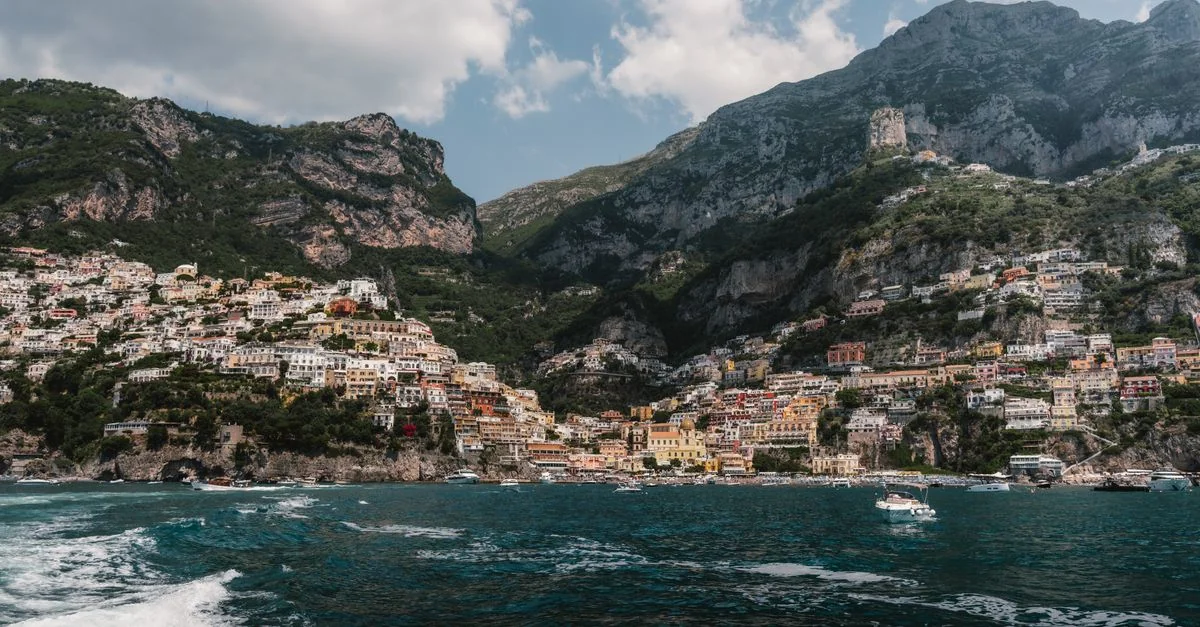
When the scent of coastal lemons drifts down into a 16th-century brick cellar, you know you have arrived at a table that takes its local ingredients seriously. Sorrento might be famous for its dramatic sea views and clifftop lemon groves, but the town also supports six Michelin-recognized spots ranging from casual seafood plates to top-tier tasting menus. Navigating these options requires a bit of strategy, especially when balancing the price points and booking requirements across town. The Dining Scene in Sorrento # Sorrento packs a surprising amount of dining ambition into its historic streets, featuring a total of six Michelin-recognized venues that showcase the absolute best of the Sorrentine Peninsula. Three of these establishments hold a coveted One Star rating, while another three earn a place as Michelin Selected tables. The local restaurant culture bridges historic architecture with contemporary plating, allowing you to dine inside ancient cellars or out on expansive hotel terraces overlooking the Gulf of Naples .
When planning a restaurant-focused itinerary through Italy , travelers often overlook the subtle appeal of SP. Amidst the heavy-hitting culinary capitals of the peninsula, this destination offers an intimate look at local dining through a curated selection of recognized spots. Let’s examine the exact landscape of SP’s Michelin selection, breaking down the numbers, the cuisine types, and how to plan your meals here without getting caught off guard by unexpected policies or rigid schedules. SP currently holds two Michelin Selected restaurants, proving that quality often outweighs sheer volume when you want a memorable meal. Both spots offer accessible pricing tiers that make fine dining approachable for various travel budgets. Rather than overwhelming you with endless choices, SP keeps things focused, allowing you to experience the core identity of the local dining scene efficiently.
The scent of simmering ragù and the sight of handmade tortellini being folded with surgical precision define the atmosphere of dining in BO. Navigating the 17 Michelin-recognized establishments here requires a clear understanding of the local landscape, which balances deep-rooted Emilian traditions with a sharp, modern creative edge. The Dining Scene in BO # The dining landscape in BO is defined by a distinct duality. On one hand, you have the heavy hitters of traditional Emilian cooking, where the focus remains on the integrity of local ingredients and time-honored techniques. On the other, there is a growing segment of contemporary and creative kitchens that push the boundaries of what local diners expect. With 17 recognized spots, the city offers a balanced spread of high-end experiences and accessible, high-quality meals that prioritize value.
The scent of fresh pasta and wood-fired ovens defines the narrow, winding streets of VR. My recent visits have taught me that the city balances its deep-rooted history with a sharp, modern approach to Italian ingredients, creating a dining environment that rewards those who look beyond the tourist-heavy piazzas. The Dining Scene in VR # VR possesses a sophisticated food culture that feels both grounded in tradition and eager to experiment. With 17 Michelin-recognized establishments, the city offers a range that spans from the height of creative luxury to the comforting, reliable plates found in local osterias. The variety is impressive, covering everything from contemporary Italian techniques to classic regional cooking that has defined this area for generations.
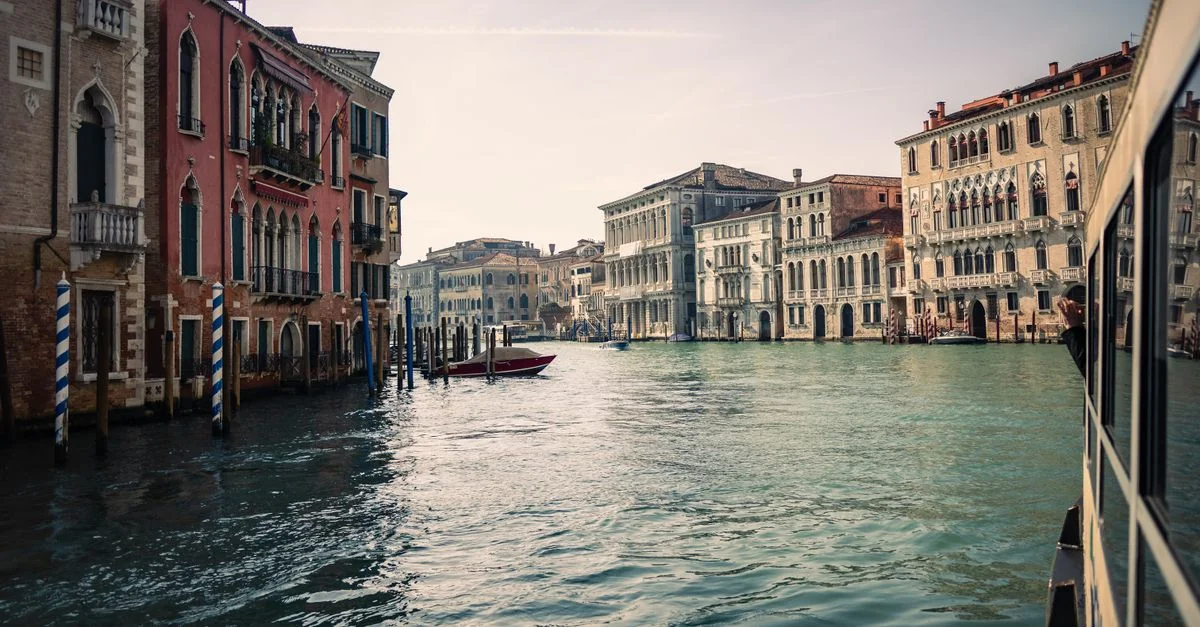
Venice —abbreviated here as VE—offers an intriguing landscape for the hungry traveler navigating high-end hospitality. With 35 Michelin-recognized establishments scattered across the canals and surrounding islands, finding the right table requires looking past the standard tourist menus. The Dining Scene in VE # When you step off the water taxi and wander into the maze of canals, the scale of the local dining scene becomes apparent. Out of the 35 recognized locations in VE, the distribution leans heavily toward refined eating, with five establishments holding one star, one boasting two stars, and 29 featured in the Michelin Selected category. The culinary identity here is rooted in both strict tradition and modern technical execution.
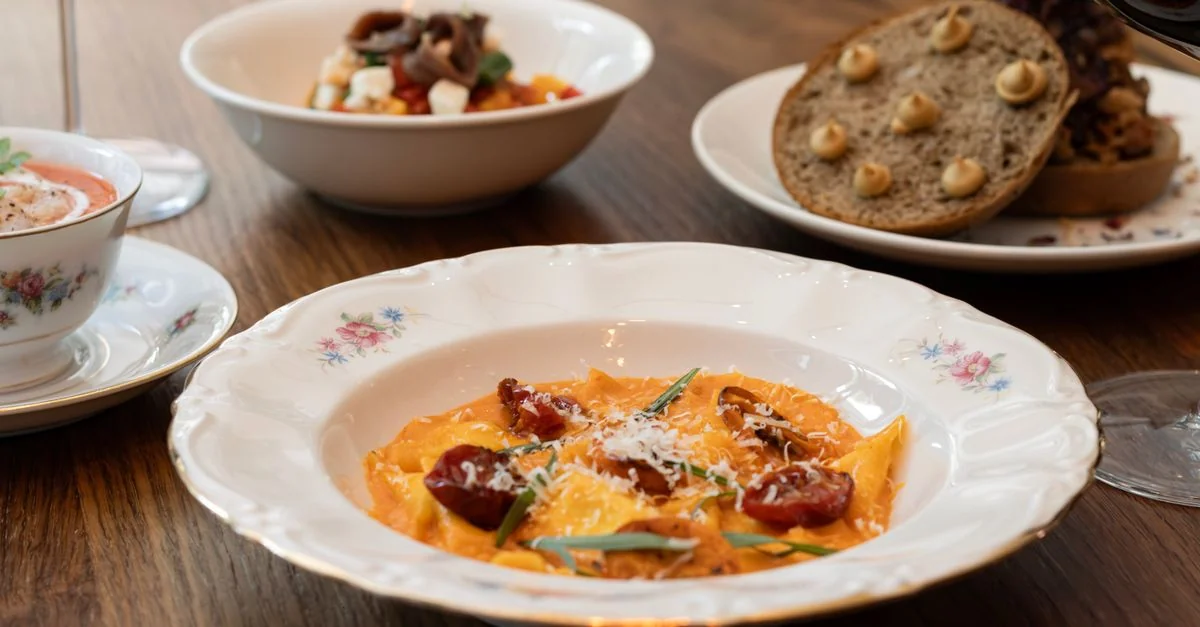
The scent of salt air and fresh catch greeted me as I stepped up to the table at Pescheria, where plates of pristine seafood set the tone for my entire trip. When I travel through the Campania region, mapping out the local Michelin guide is always my first priority, and SA offers a surprisingly focused collection of remarkable tables. Across the city’s five recognized establishments, the focus remains firmly on the sea and the fertile surrounding countryside, giving diners a masterclass in regional flavors. The Dining Scene in SA # Dining here feels intensely personal, deeply tied to the rhythms of the Tyrrhenian coast and the agricultural traditions of the surrounding hills. With a total of five Michelin-recognized spots, the city avoids the overwhelming choice of larger Italian metropolises, allowing you to experience the core of local dining culture without rushing. The local restaurant scene balances contemporary culinary technique with fiercely protected regional heritage, ensuring every plate tells a story of the land and water.