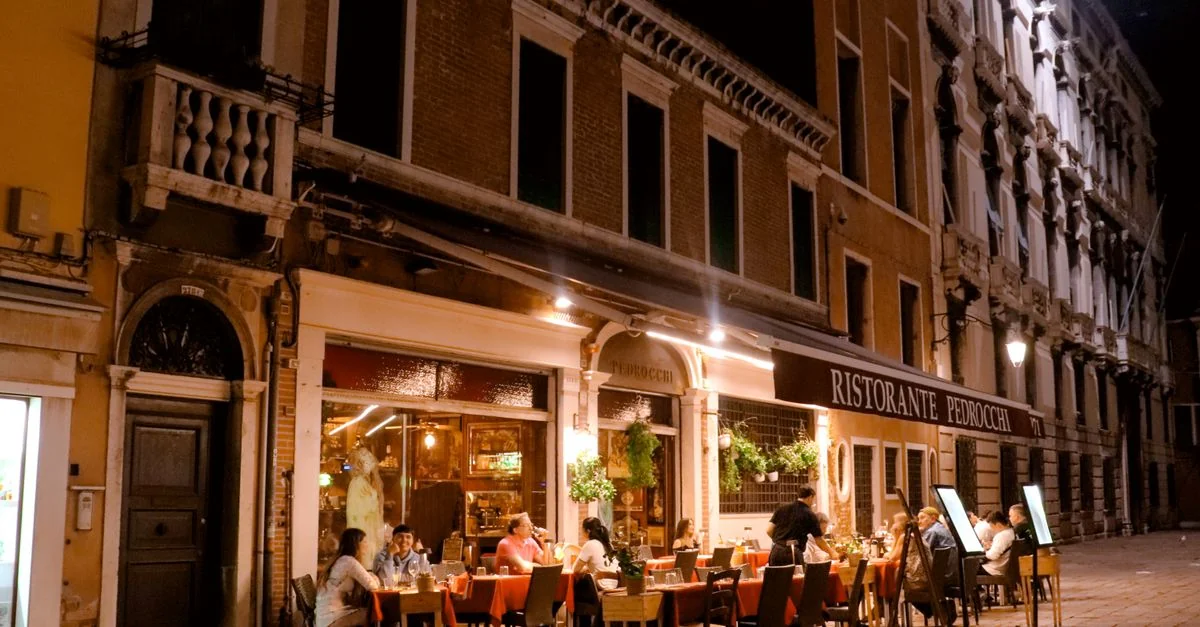
Venice—abbreviated here as VE—offers an intriguing landscape for the hungry traveler navigating high-end hospitality. With 35 Michelin-recognized establishments scattered across the canals and surrounding islands, finding the right table requires looking past the standard tourist menus. The Dining Scene in VE # When you step off the water taxi and wander into the maze of canals, the scale of the local dining scene becomes apparent. Out of the 35 recognized locations in VE, the distribution leans heavily toward refined eating, with five establishments holding one star, one boasting two stars, and 29 featured in the Michelin Selected category. The culinary identity here is rooted in both strict tradition and modern technical execution.
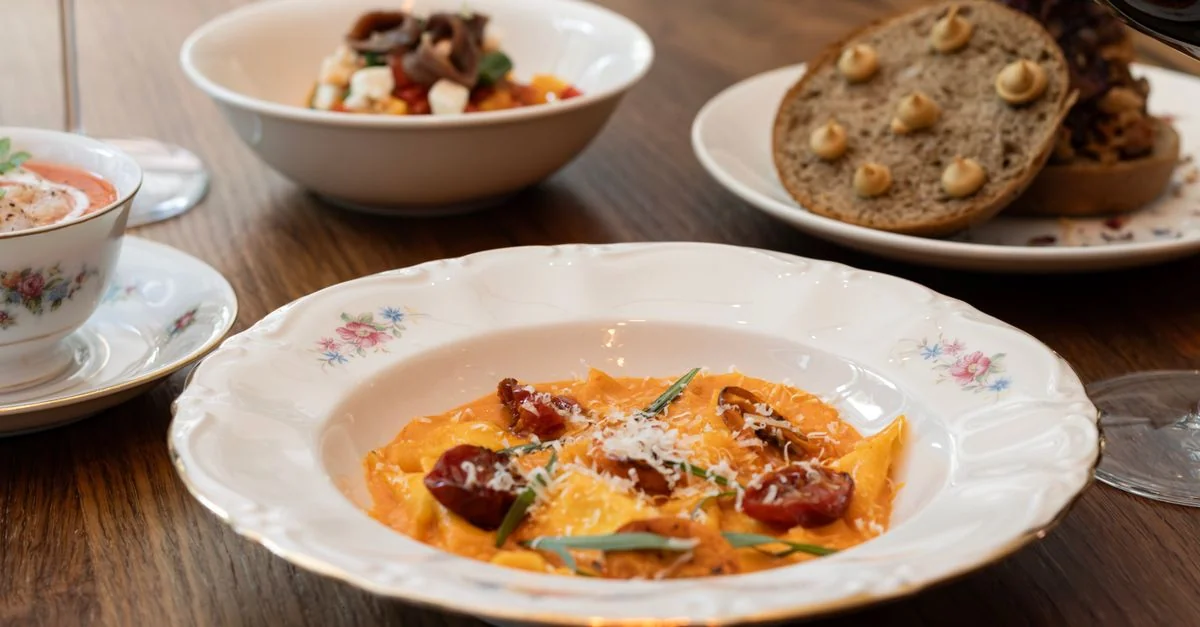
The scent of salt air and fresh catch greeted me as I stepped up to the table at Pescheria, where plates of pristine seafood set the tone for my entire trip. When I travel through the Campania region, mapping out the local Michelin guide is always my first priority, and SA offers a surprisingly focused collection of remarkable tables. Across the city’s five recognized establishments, the focus remains firmly on the sea and the fertile surrounding countryside, giving diners a masterclass in regional flavors. The Dining Scene in SA # Dining here feels intensely personal, deeply tied to the rhythms of the Tyrrhenian coast and the agricultural traditions of the surrounding hills. With a total of five Michelin-recognized spots, the city avoids the overwhelming choice of larger Italian metropolises, allowing you to experience the core of local dining culture without rushing. The local restaurant scene balances contemporary culinary technique with fiercely protected regional heritage, ensuring every plate tells a story of the land and water.
Walking into a dining room in RM after months of anticipation, I always pause to take in the quiet hum of service before the first course arrives. Across the city’s neighborhoods, the dining scene spans 65 Michelin-recognized establishments, balancing historic culinary roots with bold modern techniques. The Dining Scene in RM # RM hosts an impressive tally of recognized tables, comprising 16 single-star venues, 3 two-star spots, and a solitary three-star destination. Beyond the starry heights, diners will find 7 Bib Gourmand choices and 38 selected restaurants rounding out the ecosystem. This distribution means you can easily transition from high-end tasting menus to casual regional plates within the exact same afternoon.
The initial sensory experience at Erbaluigia is defined by a quiet, deliberate approach to the plate that feels entirely removed from the noise of typical tourist routes. Sitting down to a meal here, you immediately recognize that the kitchen prioritizes the integrity of local ingredients over unnecessary flair, grounding every bite in the specific geography of the region. The Dining Scene in PI # Dining in PI revolves around a singular, focused point of interest, which allows for a more intimate understanding of the local standard. When a city hosts only one Michelin-recognized establishment, the pressure on that venue to represent the entire area is significant. Erbaluigia, which holds a Michelin Selected status, carries this weight by blending contemporary techniques with the soul of country cooking. It is not an environment defined by white tablecloths or rigid formality, but rather by a steady commitment to the craft of cooking.
Stepping out onto the terrace at George Restaurant with the sweep of the bay below immediately sets the tone for how serious dining has become in NA. With twenty-nine recognized establishments in the guide, navigating these kitchens requires a strategy that balances neighborhood trattorias with high-end hotel dining rooms. The Dining Scene in NA # The local dining landscape covers everything from quick pizza counters to hushed, carpeted hotel dining rooms overlooking the water. Among the twenty-nine total entries, you will find three 1-Star spots, one 2-Star heavyweight, two Bib Gourmands, and twenty-three selected addresses. This spread means you can easily eat exceptional food at every price point, whether you are sitting down for a casual lunch or booking an anniversary dinner months in advance.
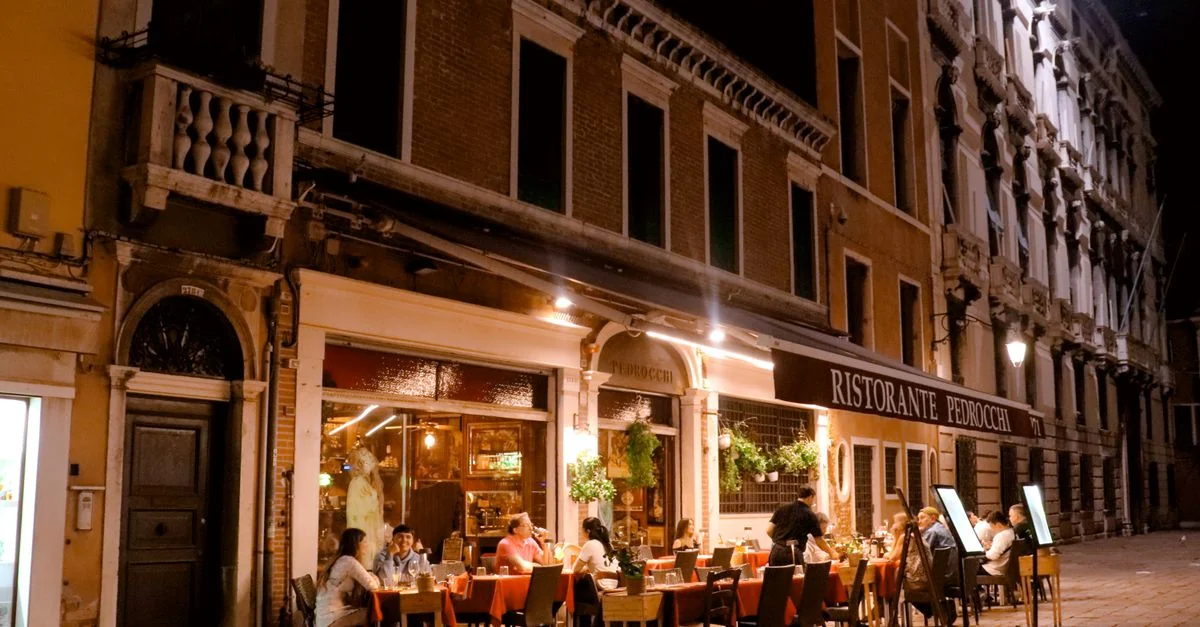
The air inside a converted ancient cave carries a distinct chill that immediately contrasts with the southern Italian warmth waiting just outside the stone threshold. Sitting down for a multi-course tasting menu carved directly into the rockface sets an entirely different psychological baseline for how a meal should unfold. When you start eating in MT, the physical architecture of the dining rooms tells half the story before the first plate even arrives at the table. The Dining Scene in MT # Four establishments carry the Michelin seal of approval across this fascinating southern destination, creating a compact yet remarkably diverse dining geography. You will not find sprawling urban districts here; instead, the dining rooms are tucked into dramatic historical settings that demand you slow down and appreciate the marriage of ancient stone and cutting-edge technique. Navigating these four venues requires understanding that quality takes precedence over sheer quantity, giving every single meal a distinct sense of place.
When you step off the train and head into the heart of MI, the rhythm of the city immediately sets an ambitious culinary pace. Whether you are chasing the highest tiers of distinction or hunting down a comforting bowl of pasta, this northern Italian powerhouse offers a remarkable density of exceptional kitchens. Let us break down how to navigate the local dining landscape with precision and an appetite for greatness. The Dining Scene in MI # MI is home to 90 Michelin-recognized establishments, creating an ecosystem where tradition and avant-garde techniques constantly challenge one another. You will find that the dining rooms here mirror the city’s overall aesthetic: sleek, deliberate, and deeply confident. The sheer variety means you can move from a historic gallery setting to a minimalist design hotel within a single afternoon.
The salt air in ME carries a particular weight, one that signals a departure from the frantic pace of larger Italian ports and a shift toward a more deliberate approach to the table. Sitting at a table at Marina del Nettuno, watching the masts sway against the darkening horizon, I am reminded that the quality of a meal is often inseparable from the geography that surrounds it. The Dining Scene in ME # The landscape of professional dining in ME is focused and singular, defined by a specific commitment to quality over quantity. Rather than a sprawling network of options, the city offers a concentrated experience that centers on the intersection of maritime tradition and modern technique. When you dine here, you are not choosing from a vast index of possibilities, but rather engaging with a specific vision of how local ingredients should be handled in a contemporary setting.
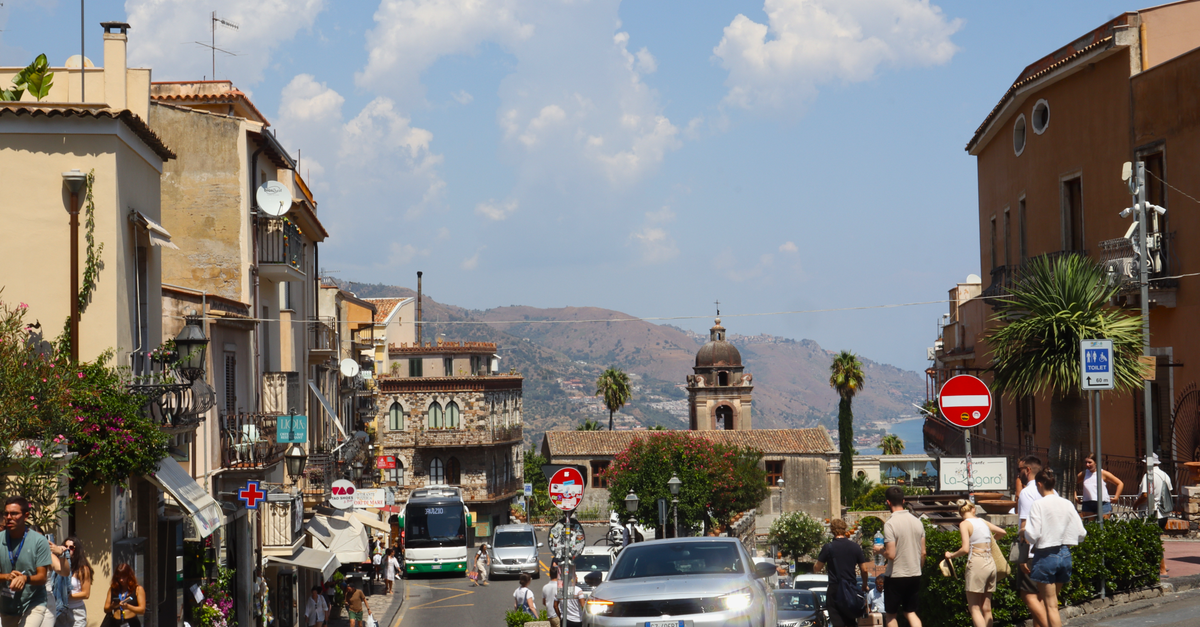
The scent of jasmine hangs heavy in the air as I sit on a terrace overlooking the Ionian Sea, a plate of refined Sicilian ingredients set before me. Taormina is a place where the architecture of old villas meets the precision of modern technique. With seven Michelin-recognized establishments, the city offers a concentrated look at how high-end Italian dining is evolving.
Photo by Magda Ehlers on Pexels
When I think of Naples, my mind immediately drifts to the iconic pizza. But beyond the famous Neapolitan pie, the city offers a rich mix of dining experiences that deserve exploration. My most recent visit led me to a delightful evening at Il Ristorante Alain Ducasse Napoli, where I savored a dish of perfectly seared scallops, accompanied by a delicate citrus foam. The combination of flavors was a testament to Alain Ducasse’s mastery of contemporary Mediterranean cuisine.