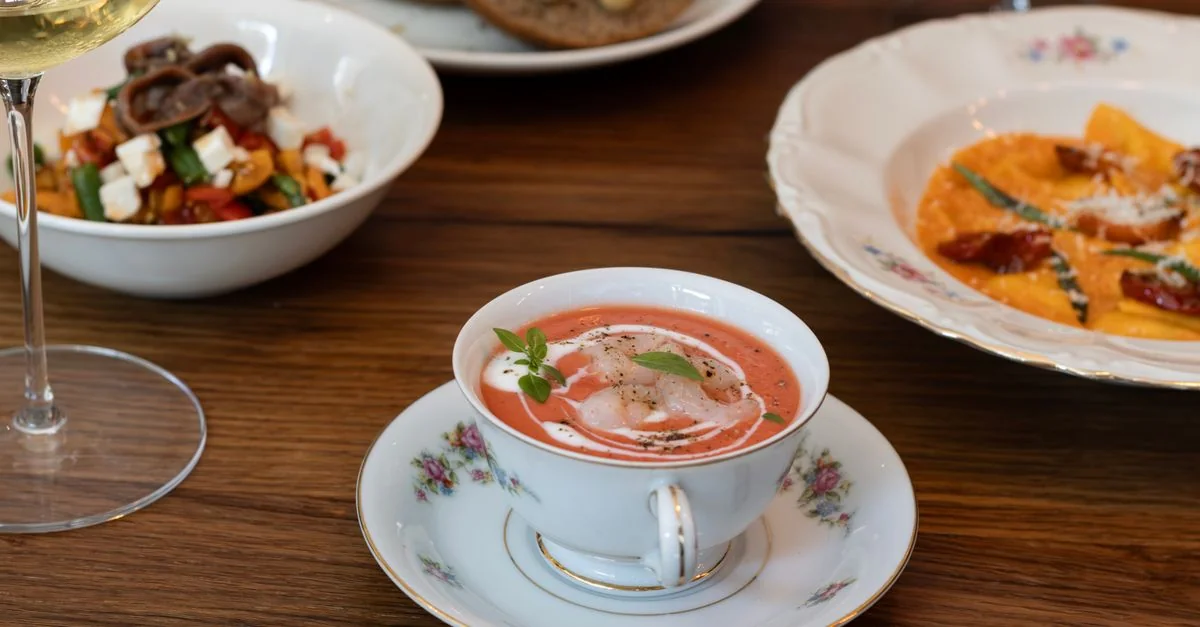
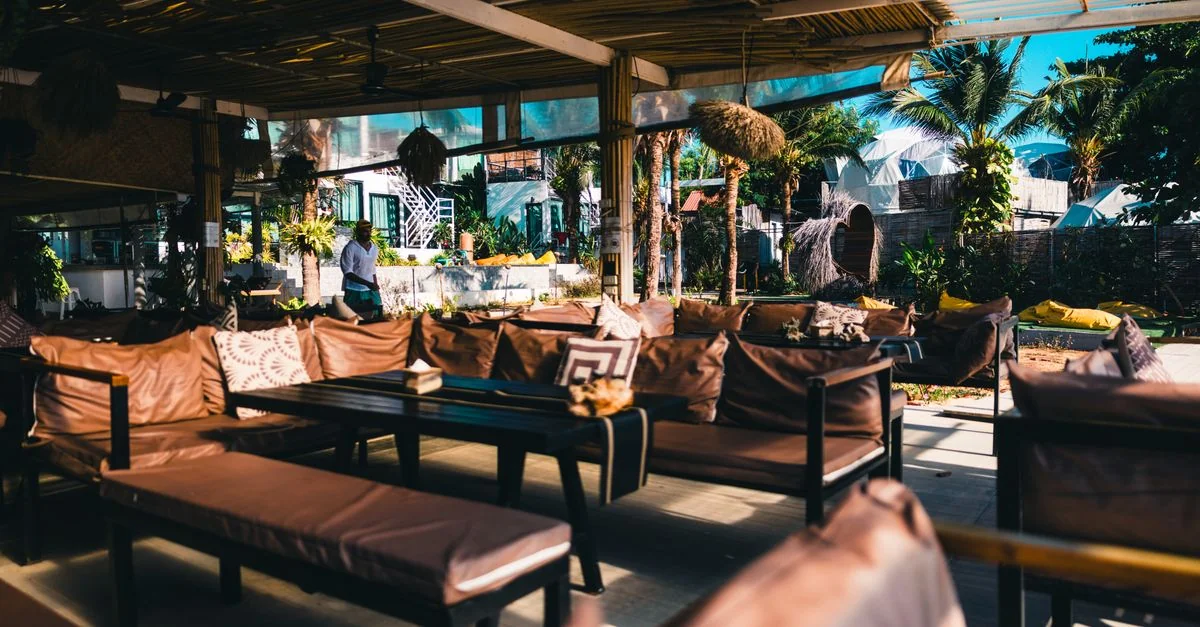
The scent of simmering ragù and the sight of handmade tortellini being folded with surgical precision define the atmosphere of dining in BO. Navigating the 17 Michelin-recognized establishments here requires a clear understanding of the local landscape, which balances deep-rooted Emilian traditions with a sharp, modern creative edge. The Dining Scene in BO # The dining landscape in BO is defined by a distinct duality. On one hand, you have the heavy hitters of traditional Emilian cooking, where the focus remains on the integrity of local ingredients and time-honored techniques. On the other, there is a growing segment of contemporary and creative kitchens that push the boundaries of what local diners expect. With 17 recognized spots, the city offers a balanced spread of high-end experiences and accessible, high-quality meals that prioritize value.
The scent of wood smoke drifting from the grill at Akra is perhaps the most honest introduction to the current state of dining in Athina . Watching a chef prepare a meal mere inches from your table, while the heat of the fire defines the texture of the ingredients, reminds me that the most sophisticated plates often rely on the simplest, most primal techniques. The Dining Scene in Athina # Athina has evolved into a city where the weight of history does not prevent a forward-looking approach to the plate. With 35 restaurants recognized in the guide, the city manages to balance its deep-rooted Mediterranean traditions with a sharp, modern sensibility. You will find that the local kitchens are not merely repeating the past; they are actively deconstructing it to see what remains when the unnecessary is stripped away.
The scent of coconut milk simmering with bird’s eye chilies and the crisp, golden edges of a freshly fried dough stick define my mornings in Amphoe Mueang Phuket . Navigating the 60 recognized establishments here requires a clear strategy, as the range spans from humble street-side stalls to high-concept dining rooms that challenge the very definition of modern cuisine. The Dining Scene in Amphoe Mueang Phuket # Phuket ’s provincial capital is not merely a transit point for island-hoppers; it is a serious destination for those who track the Michelin guide. With 60 total recognized spots, the density of quality food here is remarkable. You have a spectrum that includes one star, 19 Bib Gourmand locations, and 40 selected restaurants. The local palate leans heavily into Southern Thai traditions, which are known for their intense heat and complex herbal profiles, but the presence of Italian, European, and modern contemporary kitchens adds a necessary layer of variety for a multi-day stay.
When a plate of meticulously charred root vegetables arrives at your table alongside sauces of startling depth, you realize quickly that Kraków has evolved far past traditional pierogi joints. I first noticed this shift while sitting in an understated dining room in the city, watching a kitchen team turn local farming traditions into precise, modern art. The Dining Scene in Kraków # Kraków holds 23 Michelin-recognized establishments, creating a dense landscape of serious cooking across the old royal capital. Walking the cobblestone streets, you move seamlessly from medieval market squares to contemporary dining rooms where chefs interrogate the roots of Polish and international produce. The city’s food culture balances respect for agricultural heritage with fierce modern creativity.
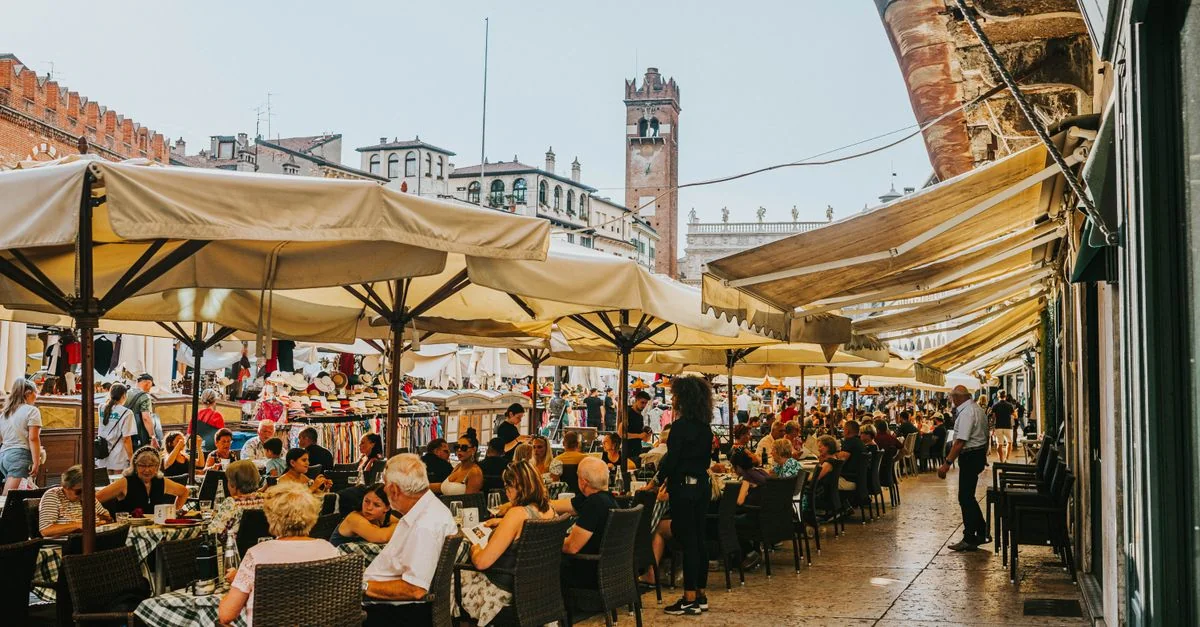
The scent of fresh pasta and wood-fired ovens defines the narrow, winding streets of VR. My recent visits have taught me that the city balances its deep-rooted history with a sharp, modern approach to Italian ingredients, creating a dining environment that rewards those who look beyond the tourist-heavy piazzas. The Dining Scene in VR # VR possesses a sophisticated food culture that feels both grounded in tradition and eager to experiment. With 17 Michelin-recognized establishments, the city offers a range that spans from the height of creative luxury to the comforting, reliable plates found in local osterias. The variety is impressive, covering everything from contemporary Italian techniques to classic regional cooking that has defined this area for generations.
Venice —abbreviated here as VE—offers an intriguing landscape for the hungry traveler navigating high-end hospitality. With 35 Michelin-recognized establishments scattered across the canals and surrounding islands, finding the right table requires looking past the standard tourist menus. The Dining Scene in VE # When you step off the water taxi and wander into the maze of canals, the scale of the local dining scene becomes apparent. Out of the 35 recognized locations in VE, the distribution leans heavily toward refined eating, with five establishments holding one star, one boasting two stars, and 29 featured in the Michelin Selected category. The culinary identity here is rooted in both strict tradition and modern technical execution.
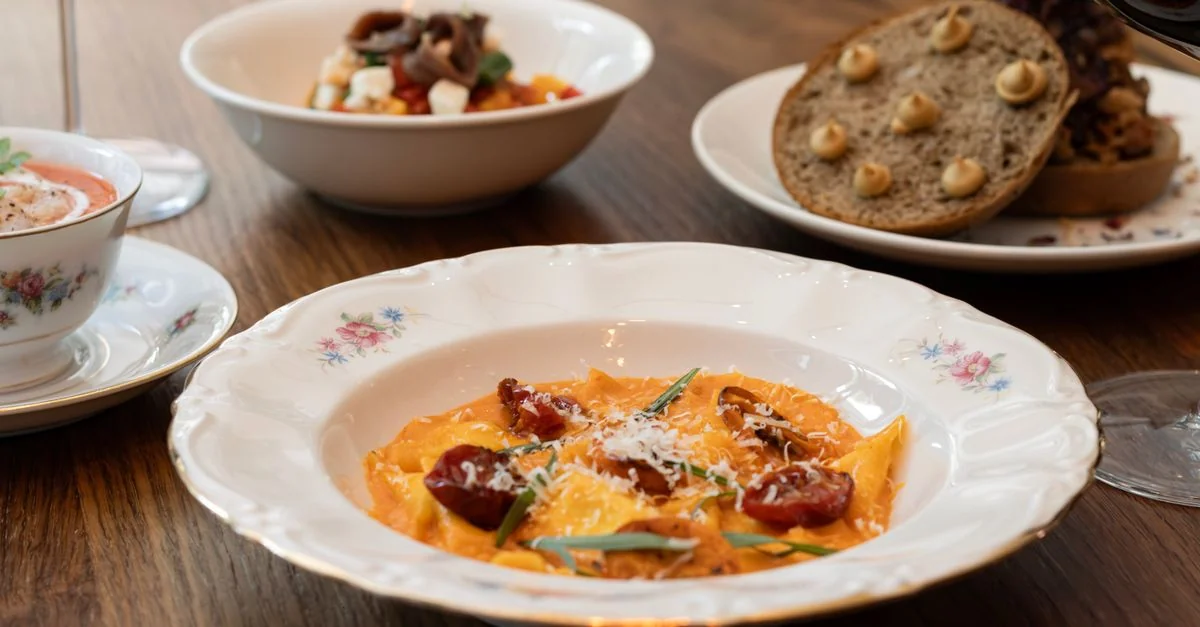
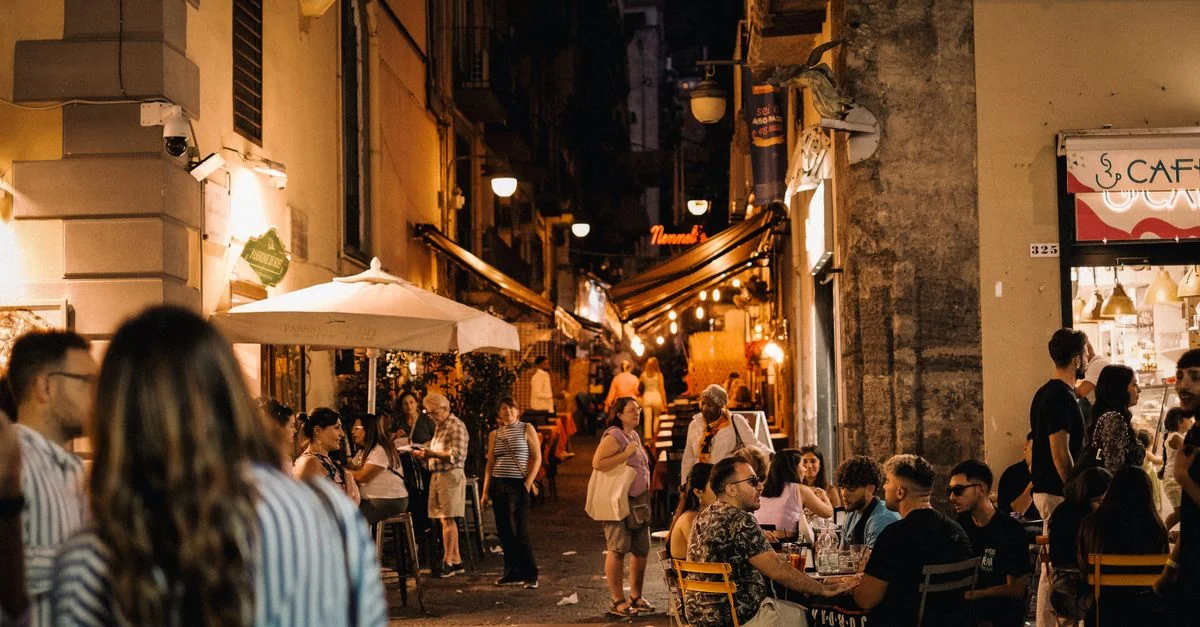
The scent of salt air and fresh catch greeted me as I stepped up to the table at Pescheria, where plates of pristine seafood set the tone for my entire trip. When I travel through the Campania region, mapping out the local Michelin guide is always my first priority, and SA offers a surprisingly focused collection of remarkable tables. Across the city’s five recognized establishments, the focus remains firmly on the sea and the fertile surrounding countryside, giving diners a masterclass in regional flavors. The Dining Scene in SA # Dining here feels intensely personal, deeply tied to the rhythms of the Tyrrhenian coast and the agricultural traditions of the surrounding hills. With a total of five Michelin-recognized spots, the city avoids the overwhelming choice of larger Italian metropolises, allowing you to experience the core of local dining culture without rushing. The local restaurant scene balances contemporary culinary technique with fiercely protected regional heritage, ensuring every plate tells a story of the land and water.
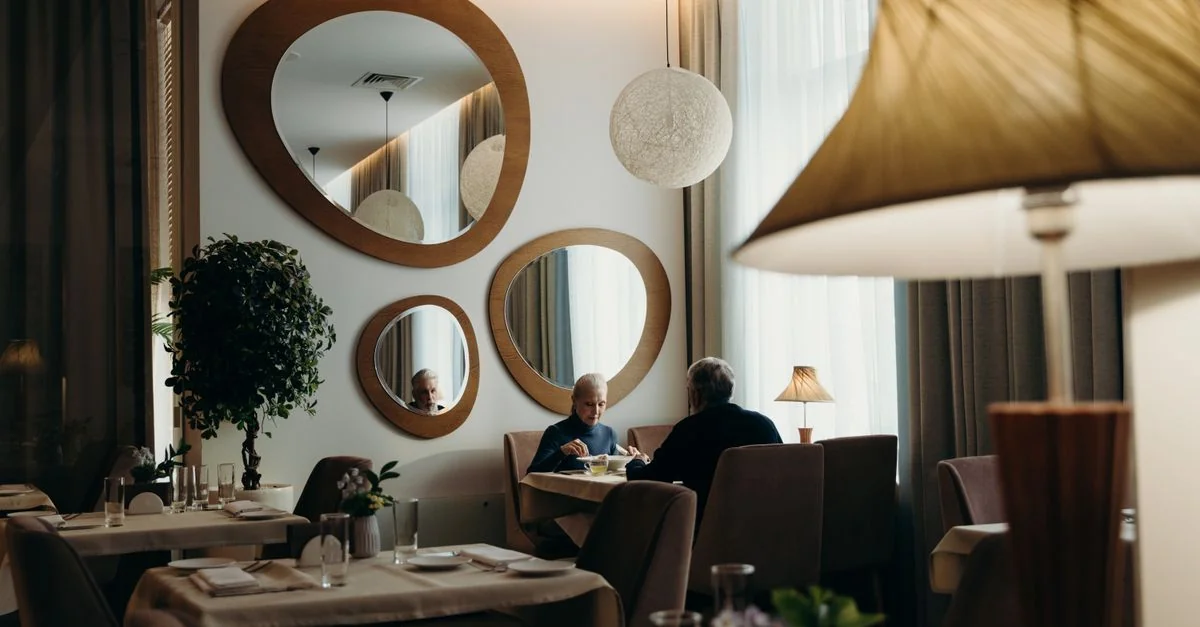
The scent of woodsmoke and rich demi-glace drifted across the table as I examined the intricate plating in Rīga , a city quietly redefining Baltic dining. With twenty-seven recognized establishments now dotting the capital, navigating these dining rooms requires a strategic approach to secure tables and maximize your budget. Here is my firsthand guide to eating your way through Rīga’s finest kitchens. The Dining Scene in Rīga # Rīga has evolved into one of the most compelling food destinations in Northern Europe without losing its grounded, unpretentious charm. The current guide spans twenty-seven total Michelin-recognized addresses, featuring two one-star establishments, four Bib Gourmand recommendations, and twenty-one selected restaurants. What strikes me most when walking between these dining rooms is the sheer physical variety—you can move from a historic brick warehouse on the edge of the city to sleek, minimalist hotel spaces within the span of a short tram ride.
Walking into a dining room in RM after months of anticipation, I always pause to take in the quiet hum of service before the first course arrives. Across the city’s neighborhoods, the dining scene spans 65 Michelin-recognized establishments, balancing historic culinary roots with bold modern techniques. The Dining Scene in RM # RM hosts an impressive tally of recognized tables, comprising 16 single-star venues, 3 two-star spots, and a solitary three-star destination. Beyond the starry heights, diners will find 7 Bib Gourmand choices and 38 selected restaurants rounding out the ecosystem. This distribution means you can easily transition from high-end tasting menus to casual regional plates within the exact same afternoon.
When a plate of crisp, deep-fried dough from Pathongko Mae Pranee hits the table at six in the morning, you realize Patong offers far more than late-night neon. This coastal stretch sits within a wider provincial dining landscape encompassing sixty recognized establishments, ranging from simple street stalls to cutting-edge laboratories by the sea. Let’s look past the beach umbrellas and examine how this destination handles everything from fiery local curries to refined European techniques. Navigating these options requires understanding how the local guidelines break down across tiers, cuisines, and price points.